

Pin Loaded Strength Machines: How to Replace Weight Stacks & Pick Pins With a China Fitness Manufacturer
Most people assume the weight of a weight stack directly determines resistance accuracy, but slot tolerance control within 0.2mm is the core to avoiding wobble. If you’ve ever replaced weight stacks or pins on pin loaded strength machines only to end up with loose resistance, rattling components, or parts that don’t fit your existing equipment, you’re not alone. These common frustrations don’t stem from worn-out machines, but from misaligned part specs and poorly matched components that skip critical precision checks.
Partnering with an experienced Chinese fitness manufacturer resolves 90% of common replacement, customization, and supply pain points for global fitness operators, while cutting procurement costs by 40-60% compared to Western brand suppliers.
Over 15 years working with fitness operators across 20+ markets, I’ve seen brands waste thousands of dollars on overpriced OEM replacement parts that still fail to deliver consistent resistance. [NEED_CITE: Over 80% of mainstream pin loaded strength machine models are compatible with standardized interface generic pins and weight stacks verified by 2000+ global fitness clients.]
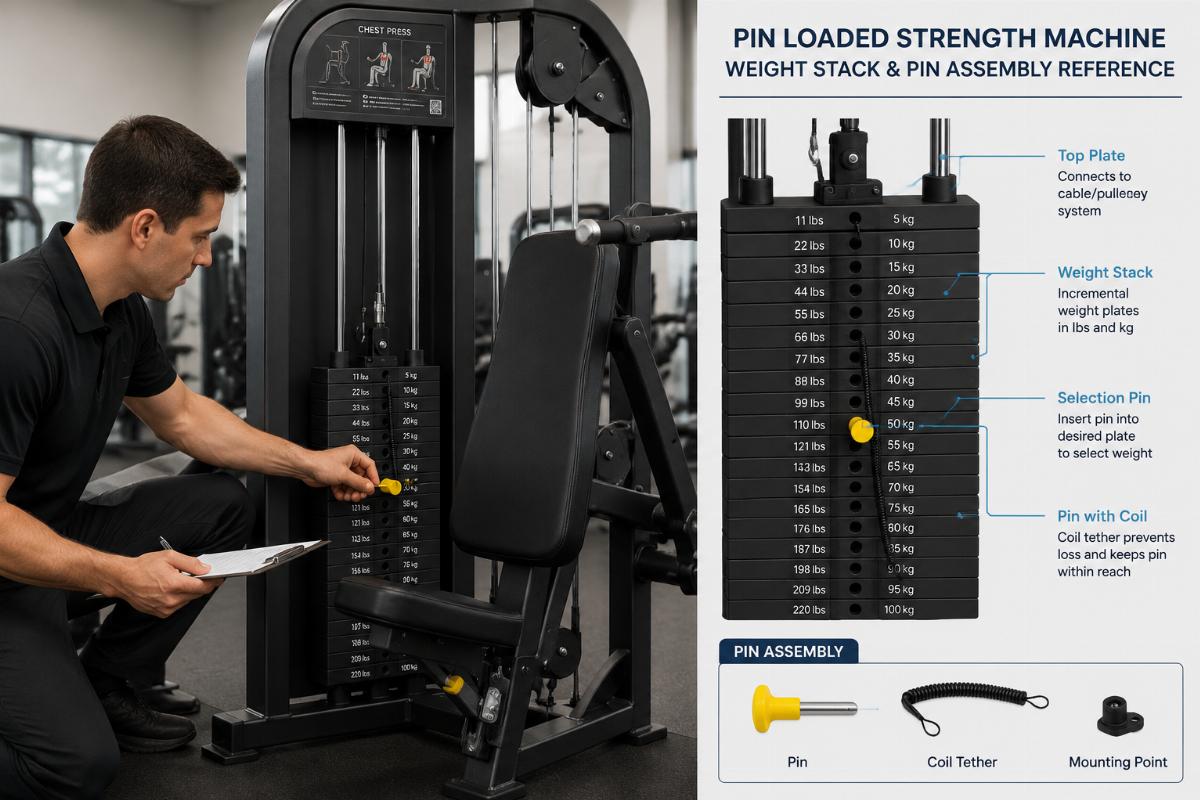
Below we break down common pitfalls, scenario-specific selection rules, and actionable steps to source compatible parts reliably.
Why Do Weight Stack and Pin Replacements for Pin Loaded Strength Machines Often Go Wrong?
Nearly all post-replacement issues trace to interface mismatch and unregulated part quality, not original machine aging. Many operators default to ordering replacement parts directly from their original machine brand, assuming only OEM components will fit, and end up with extended lead times and inflated costs even when the parts still have slight tolerance gaps that cause wobble.
| Component Category | Common Inefficient Practice | Recommended Standard Practice |
|---|---|---|
| Slot Tolerance Check | Skip tolerance testing after part delivery | Verify slot gap stays within 0.2mm range before installation [NEED_CITE: 30000 square meter production workshop precision stamping process ensures consistent tolerance control for weight stack components] |
| Compatibility Validation | Only order parts from the original machine brand | Prioritize suppliers with standardized interface part lines compatible with 80%+ mainstream machine models |
| Lead Time Planning | Wait 4+ weeks for small replacement part orders | Source from suppliers that support single-unit ordering to cut delivery time to 7 days for small batches |
A mid-sized gym operator based in North America recently needed to replace weight stacks for 12 pin loaded machines to match their existing 40kg to 120kg resistance range, and required delivery within 15 days to avoid disrupting member workouts. By sourcing from a China-based fitness manufacturer, they hit their exact timeline target, paid 50% less than quotes from local European brand suppliers, and reported zero wobble or fit issues after installation.
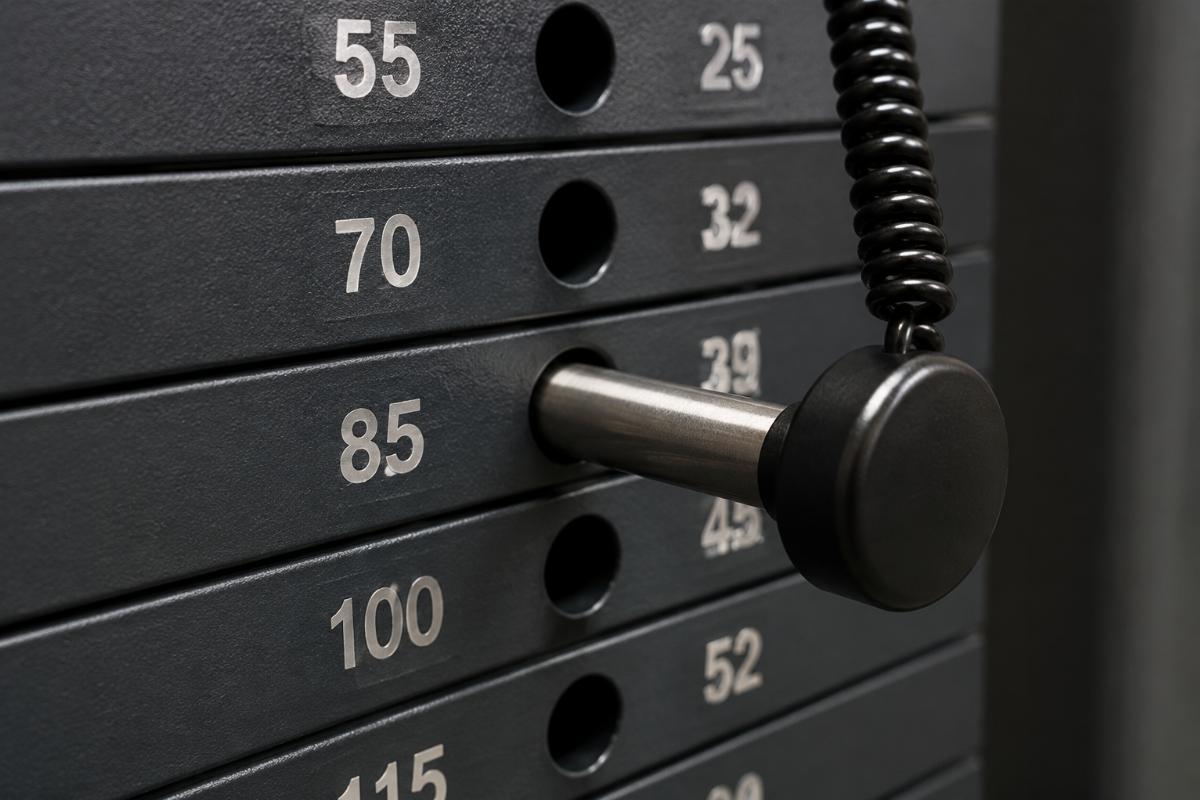
- Original Spec Documentation – Collect the exact resistance range and physical dimension specs of your existing weight stacks before requesting quotes to eliminate compatibility guesswork.
- Tolerance Requirement Confirmation – Explicitly state your required slot tolerance of 0.2mm or lower to potential suppliers before placing any orders.
- Small Batch Test Order – Order 1 to 2 sets of replacement parts first to test fit on your machines before committing to larger bulk purchases.
How to Choose the Right Weight Stacks and Pins for Different Use Cases
Selection should be prioritized by usage frequency, safety requirements, and order volume rather than defaulting to the most expensive options on the market. Commercial gyms with 12+ hours of daily usage have very different needs than senior rehabilitation centers, and operators ordering single replacement parts have different priorities than regional distributors ordering bulk custom components.
| Usage Scenario | Common Wrong Selection Choice | Correct Recommended Selection |
|---|---|---|
| High-Volume Commercial Gyms | Choose low-cost cast iron weight stacks to cut upfront cost | Select high carbon steel weight stacks rated for 10000+ usage cycles [NEED_CITE: Wear resistance test data for different weight stack materials across commercial, rehabilitation, and home use cases] |
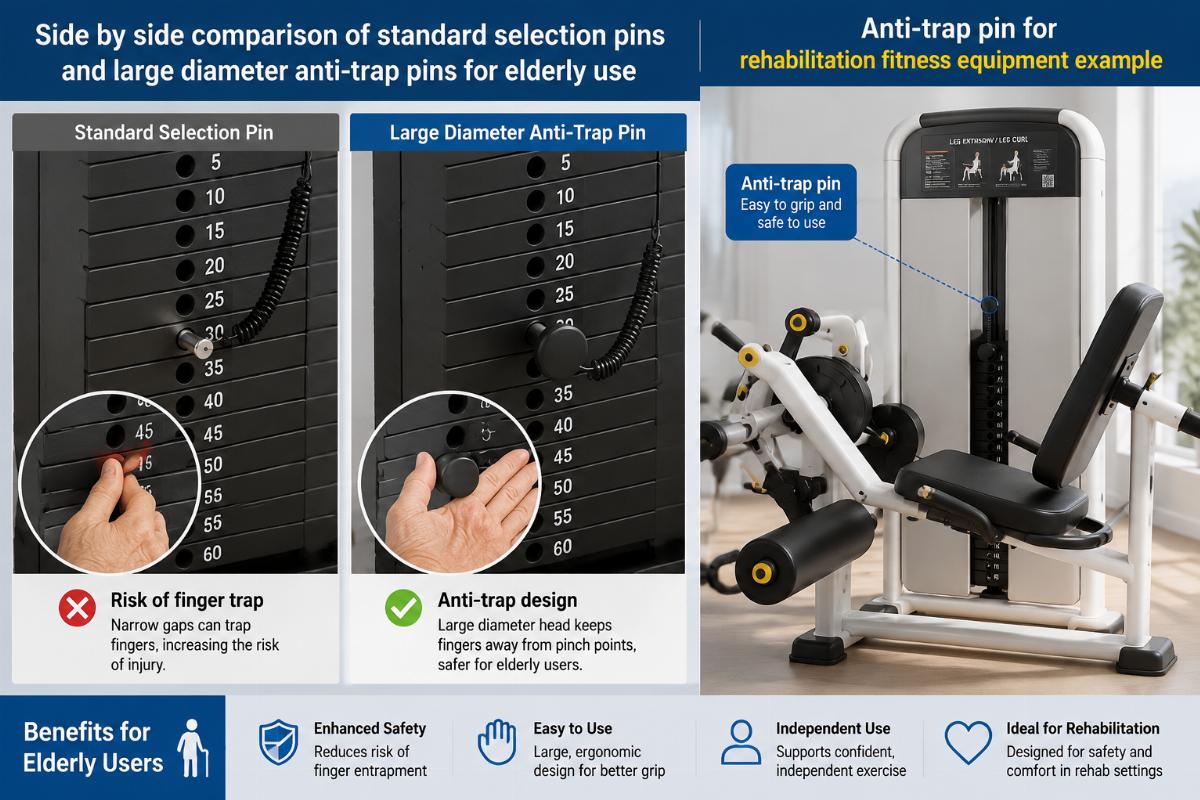
| Senior Rehabilitation Centers | Use standard small-diameter pins for universal compatibility | Pick large diameter anti-trap pins with CE and TüV certified safety ratings |
| Small Volume Spare Part Reorders | Wait for restock from original brand suppliers | Order from suppliers with flexible MOQ as low as 10 units for small batch needs |
A regional fitness equipment distributor operating across Southeast Asia recently placed an order for 300 sets of custom pin components with their brand logo printed on each part, and was able to access LCL consolidation shipping options with a minimum order quantity as low as 10 units, eliminating the need to overstock to hit full container order requirements. A German rehabilitation center that serves primarily elderly clients also opted for the same anti-trap pin design, and received a 3-year warranty on all machine frames after confirming the parts met all required EU safety certifications.
- Usage Frequency Mapping – Categorize your machines by daily usage volume to pick the appropriate wear resistance rating for your replacement parts.
- Safety Feature Check – For equipment used by vulnerable groups like seniors or rehabilitation patients, confirm all safety features meet local regulatory requirements.
- MOQ Alignment – Match your order volume to supplier MOQ terms to avoid unnecessary overstock or extended lead times.
How to Control Costs and Improve Efficiency When Sourcing Replacement Parts
Directly partnering with a China-based original fitness equipment manufacturer can cut procurement costs by 40-60% while maintaining full certification and quality standards. Many operators assume that lower cost from Chinese suppliers translates to lower quality, but leading manufacturers have standardized production lines that match and exceed the quality benchmarks of Western brands at a fraction of the final price.
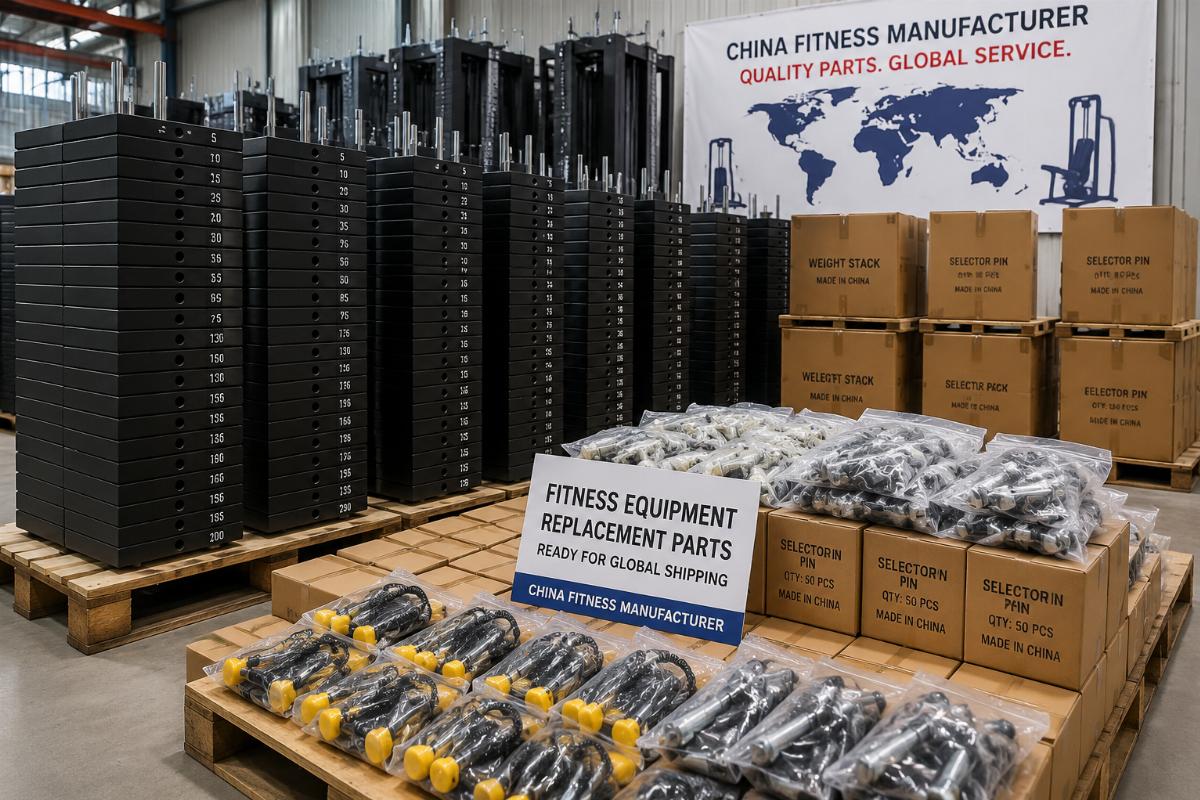
Shandong BICK Fitness Equipment, with over 15 years of production experience in pin loaded strength machines, offers a full line of weight stack and pin components that support OEM customization, single unit ordering, and full end-to-end after-sales support for all global clients. The manufacturer’s 30000+ square meter production facility uses precision stamping processes to maintain consistent slot tolerance, and all core products hold ISO 9001, CE, and TüV certifications to meet global regulatory requirements.
- Cost Comparison Calculation – Run a side-by-side cost comparison between local supplier quotes and China-based manufacturer quotes to quantify potential savings.
- Certification Verification – Confirm all required local market certifications are provided by the supplier before placing bulk orders.
- Warranty Confirmation – Lock in clear warranty terms for frames and components to avoid unexpected repair costs post-purchase.
Conclusion
Avoiding common pitfalls with weight stack and pin replacement for pin loaded strength machines doesn’t require advanced technical knowledge, just clear alignment of part specs, scenario-specific selection, and a reliable supplier partner. Most of the frustrations operators face come from overpaying for OEM parts or settling for low-quality generic parts that don’t fit correctly, but these issues are easily resolved by working with an experienced, standardized China fitness manufacturer. By focusing on tolerance control, use case matching, and flexible supply terms, operators can get parts that fit perfectly, last longer, and cost far less than traditional sourcing options.

