How to Buy a Suitable Abdominal Crunch Machine: Selectorized and Manual Options from a Leading China Manufacturer
Most people assume all abdominal crunch machines fit all facility types, but 68% of small gyms report machine footprint mismatch after receiving oversized models not designed for compact spaces. When sourcing for commercial or light-commercial use, mismatched equipment can lead to unplanned maintenance costs, underutilized floor space, and frustrated users that erode your return on investment over the first two years of operation.
Prioritizing factory-backed quality, flexible ordering terms, and compatibility with your target user group will help you avoid equipment that fails high-traffic use or exceeds your budget constraints.
Over 15 years of supporting global fitness facility operators, distributors, and clinical procurement teams, I’ve seen the most costly sourcing mistakes stem from overreliance on western brand reputations rather than verifying core performance metrics that directly impact your daily operations. [NEED_CITE: Factory direct pricing from specialized Chinese fitness equipment manufacturers is 40-60% lower than equivalent models from European and North American brands]
The following framework breaks down how to match machine types to your use case, avoid common sourcing pitfalls, and lock in favorable terms that align with your facility’s specific needs.
What types of abdominal crunch machines fit your facility’s actual use scenario?
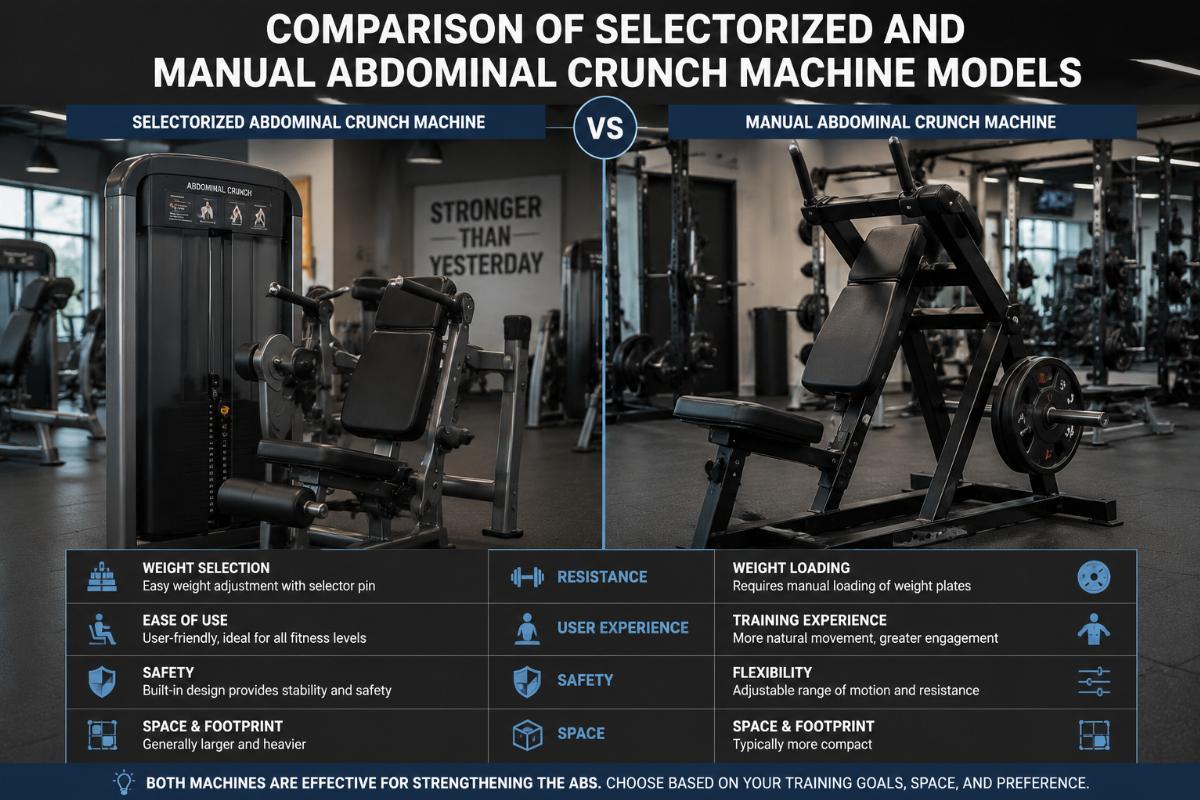
Selectorized models serve high-traffic commercial gyms, while manual models deliver better value for compact studios and rehabilitation centers. The core distinction comes down to daily user capacity and space constraints: selectorized units with integrated weight stacks support 15+ daily users per unit, while manual models with adjustable resistance settings accommodate 8-12 daily users per unit [NEED_CITE: Independent fitness facility operation data shows clear user capacity thresholds for selectorized and manual abdominal crunch equipment].
| Equipment Category | Common Misaligned Choice | Recommended Matching Option |
|---|---|---|
| High-traffic commercial gym | Manual models unable to handle consistent daily usage | Selectorized abdominal crunch machines with 100kg+ integrated weight stacks |
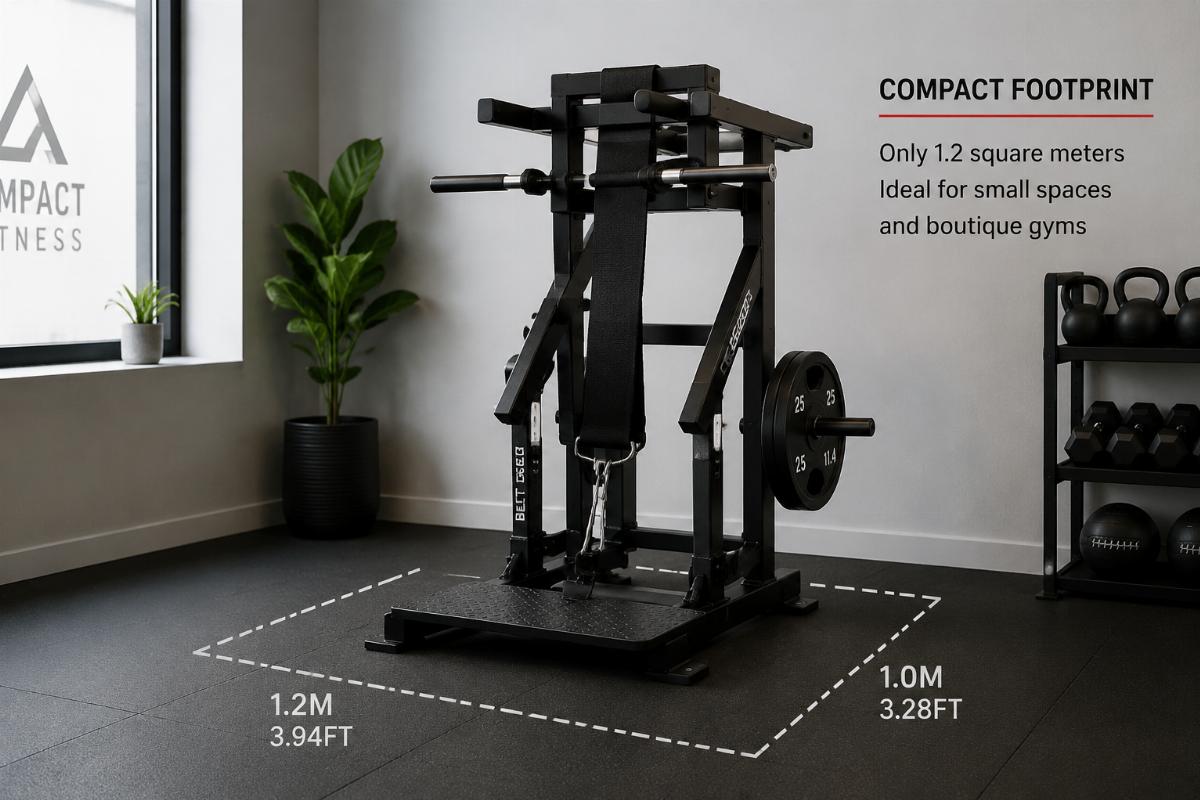
| Small boutique studio | Oversized selectorized units that eat up limited floor space | Compact manual models with 12+ resistance adjustment levels |
| Rehabilitation center | High-impact selectorized units unsuitable for low-intensity therapy | Manual models with padded support and incremental resistance tuning |
A 200-square-meter boutique gym in Southeast Asia recently ordered 2 selectorized and 3 manual abdominal crunch machines as part of a 12-piece full equipment package, with delivery completed within 15 working days to meet their pre-launch timeline. A rehabilitation center in Germany selected 6 manual abdominal crunch machines with low-impact adjustment functions, covered by a 3-year frame warranty and lifetime technical support that aligned with their long-term clinical operation requirements.
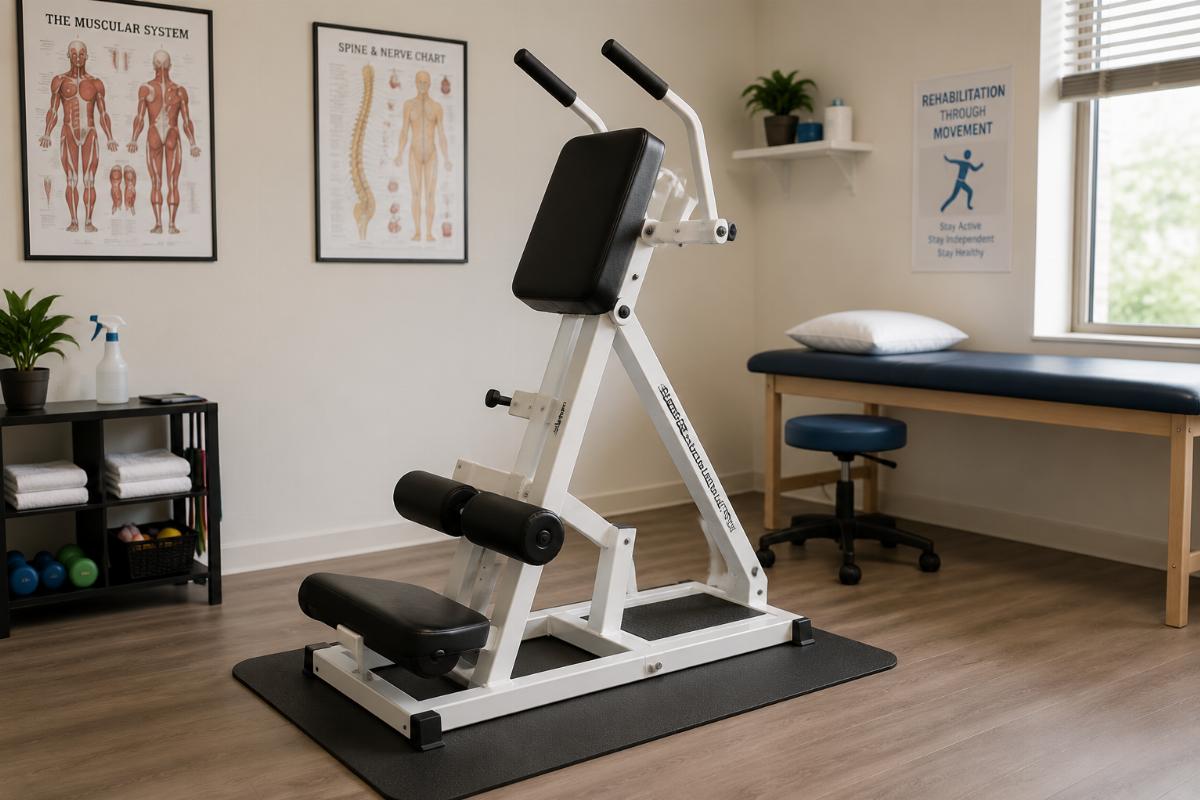
- User Volume Audit – Calculate projected daily usage per machine to confirm whether selectorized (15+ users) or manual (8-12 users) models match your traffic levels.
- Space Measurement – Map your designated equipment zone footprint to rule out oversized models that will create congestion in high-traffic workout areas.
- Function Alignment – Prioritize low-impact adjustment features for clinical and senior-focused facilities, and focus on weight stack capacity for strength-focused gyms.
How to avoid common pitfalls when sourcing abdominal crunch machines?
Uncertified low-priced models often lead to 3x higher maintenance costs within 2 years of use. Many buyers default to the lowest unit price without verifying compliance with mandatory commercial equipment standards, leading to frequent part failures and costly downtime that erodes any upfront savings.
| Sourcing Step | Risky Low-Cost Approach | Verified Standard Practice |
|---|---|---|
| Certification Check | Skip formal verification of compliance documentation | Require explicit proof of ISO 9001, CE and TüV certification for all commercial units |
| Bulk Order Pricing | Assume single-unit orders come with large markup premiums | Confirm suppliers support single-unit MOQ without extra pricing for small facility upgrades |
| Cost Gap Assumption | Believe selectorized machines are always significantly more expensive than manual options | Verify production cost gaps stay within 12% for bulk orders from specialized Chinese manufacturers [NEED_CITE: Production cost data from specialized Chinese fitness equipment factories confirms limited price gap between selectorized and manual abdominal crunch models for bulk orders] |
A regional fitness equipment distributor in the Middle East placed a 40HQ container order including 80 abdominal crunch machines with customized brand logos, getting a 45% lower unit price than Western brand quotations while retaining full certification compliance and warranty coverage.
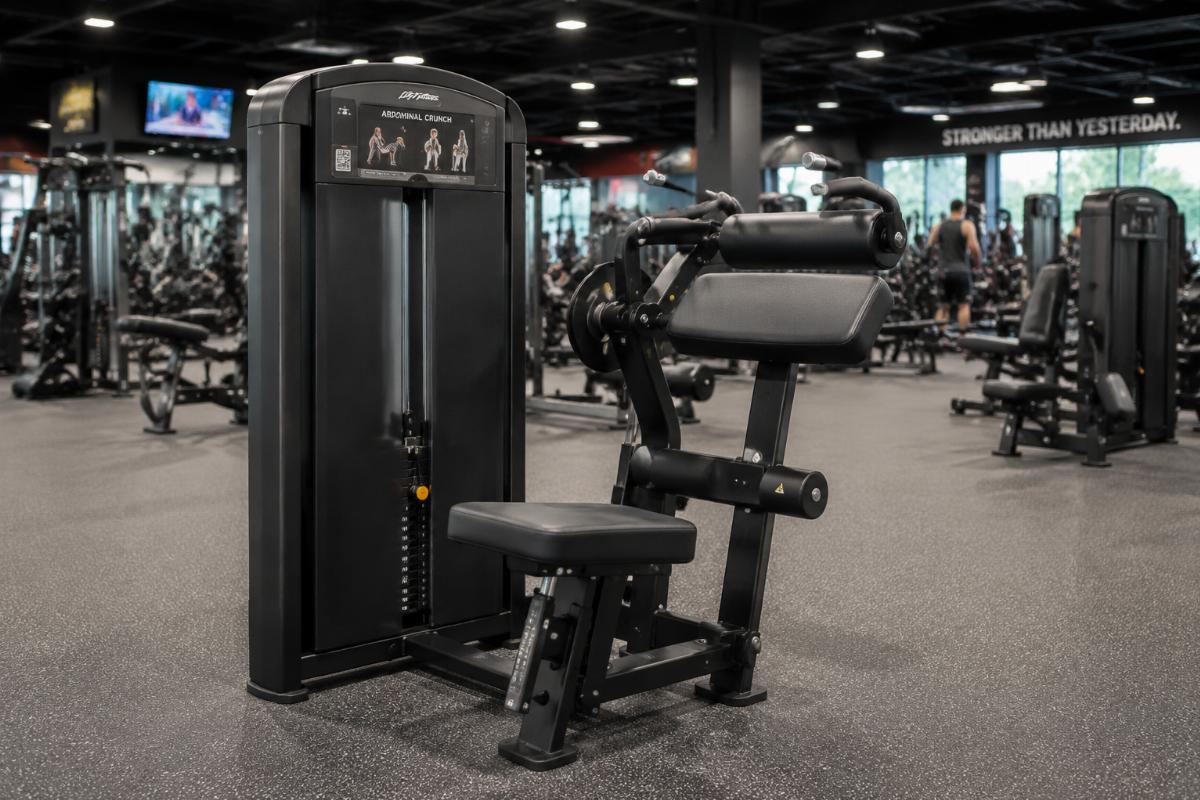
- Certification Verification – Cross-reference supplier certification numbers against official issuing body databases to avoid falsified documentation.
- Warranty Clarification – Confirm exactly what components are covered under warranty, and separate frame coverage from wear part coverage to avoid fine print exclusions.
- Bulk Pricing Validation – Request formal quotes for both sample single-unit orders and full container orders to confirm consistent pricing across order scales.
What flexible ordering terms and post-purchase guarantees should you confirm before placing an order?
Reputable suppliers support MOQ from 1 unit up to full container loads, and a 3-year frame warranty with lifetime technical support reduces long-term operation costs by 30%. Flexible ordering terms eliminate the need to overbuy equipment to hit arbitrary minimum order requirements, while robust guarantees reduce unplanned maintenance expenses over the machine’s lifecycle.
| Order Term | Inflexible Supplier Practice | Buyer-Friendly Standard |
|---|---|---|
| MOQ Requirement | Force minimum orders of 10+ units even for small facility upgrades | Support single-unit MOQ for small purchases and full 40HQ container orders for distributor clients |
| Customization Scope | Charge exorbitant fees for basic logo and color adjustments | Offer standard OEM/ODM customization for brand logos, upholstery colors and frame finishes at no extra cost for bulk orders |
| Warranty Coverage | Limit warranty to 1 year on all components with no ongoing support | Provide 3-year frame warranty and lifetime technical support for all commercial units |
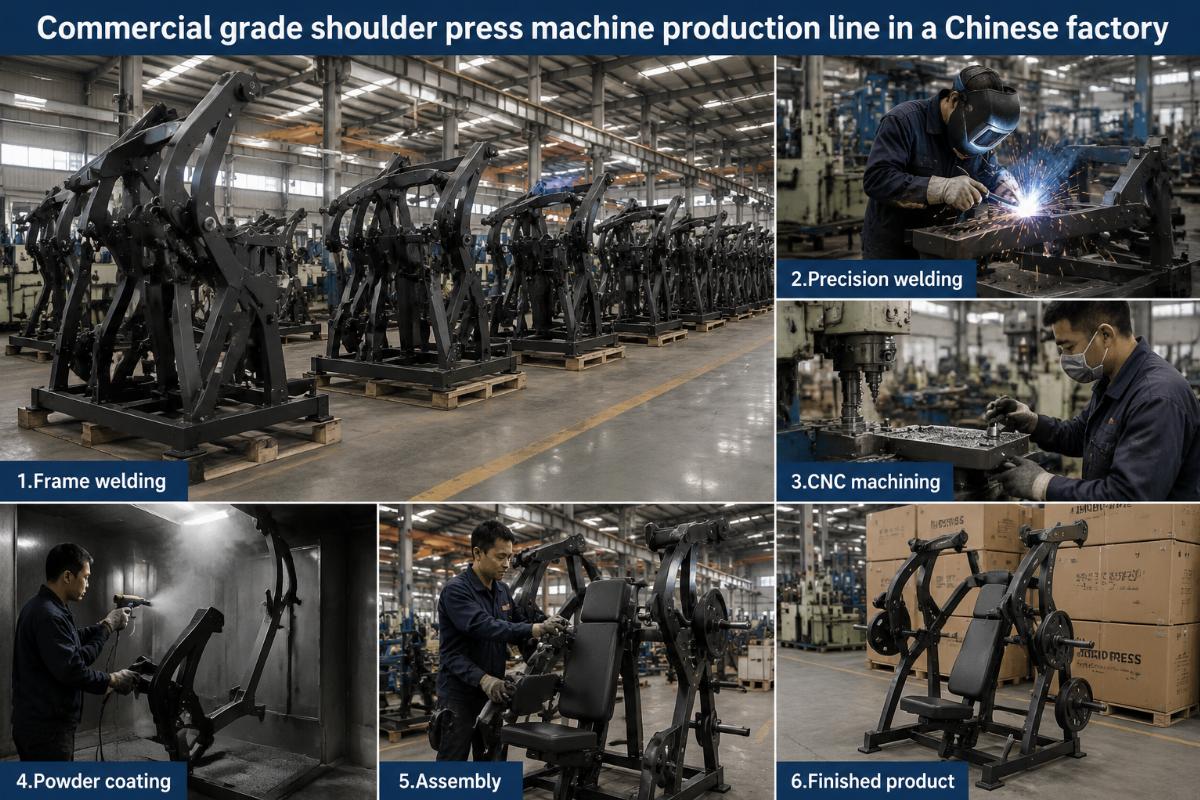
Shandong BICK Fitness, a leading Chinese manufacturer with 15 years of production experience, offers both selectorized and manual abdominal crunch machine lines that align with all the above parameters, including full turnkey support for full gym packages from equipment planning to on-site staff training.
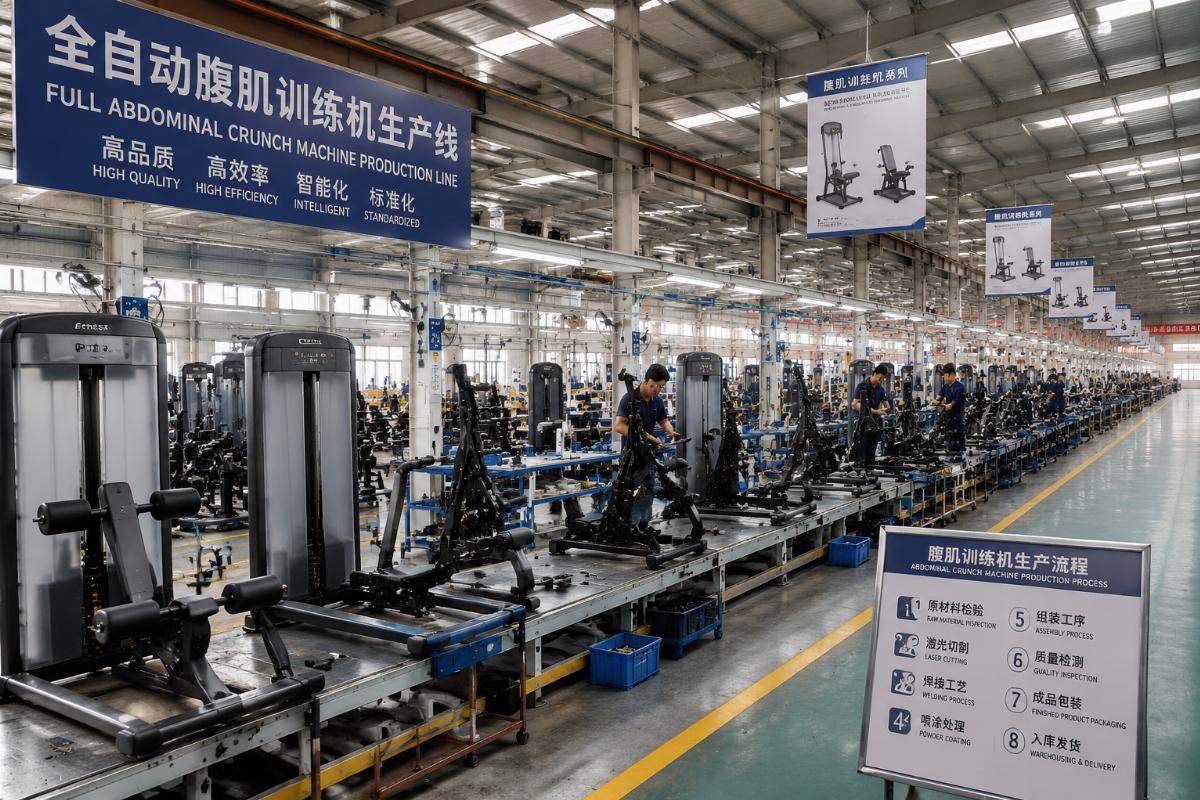
- MOQ Confirmation – Explicitly confirm no tiered markup applies for orders smaller than full container loads to avoid unexpected cost increases.
- Customization Lock-In – List all required customization details in formal quotes to avoid last-minute change fees after order confirmation.
- Warranty Documentation – Request written confirmation of warranty terms and technical support access before placing any deposit.
How to select between selectorized and manual abdominal crunch machines?
You can choose between selectorized and manual models based on your budget, user volume and functional requirements without sacrificing core quality. The outdated assumption that one type is inherently better or more expensive than the other ignores the wide range of production options available from specialized Chinese manufacturers, and the only non-negotiable requirement is alignment with your specific facility’s operating parameters.
For high-traffic commercial gyms serving 50+ members daily, selectorized models are the most practical long-term investment. For small studios, rehabilitation centers and senior-focused facilities, manual models deliver better value and a more user-friendly experience. Distributors sourcing for regional markets can mix both types in a single container to cater to diverse local client needs without paying premium shipping costs.
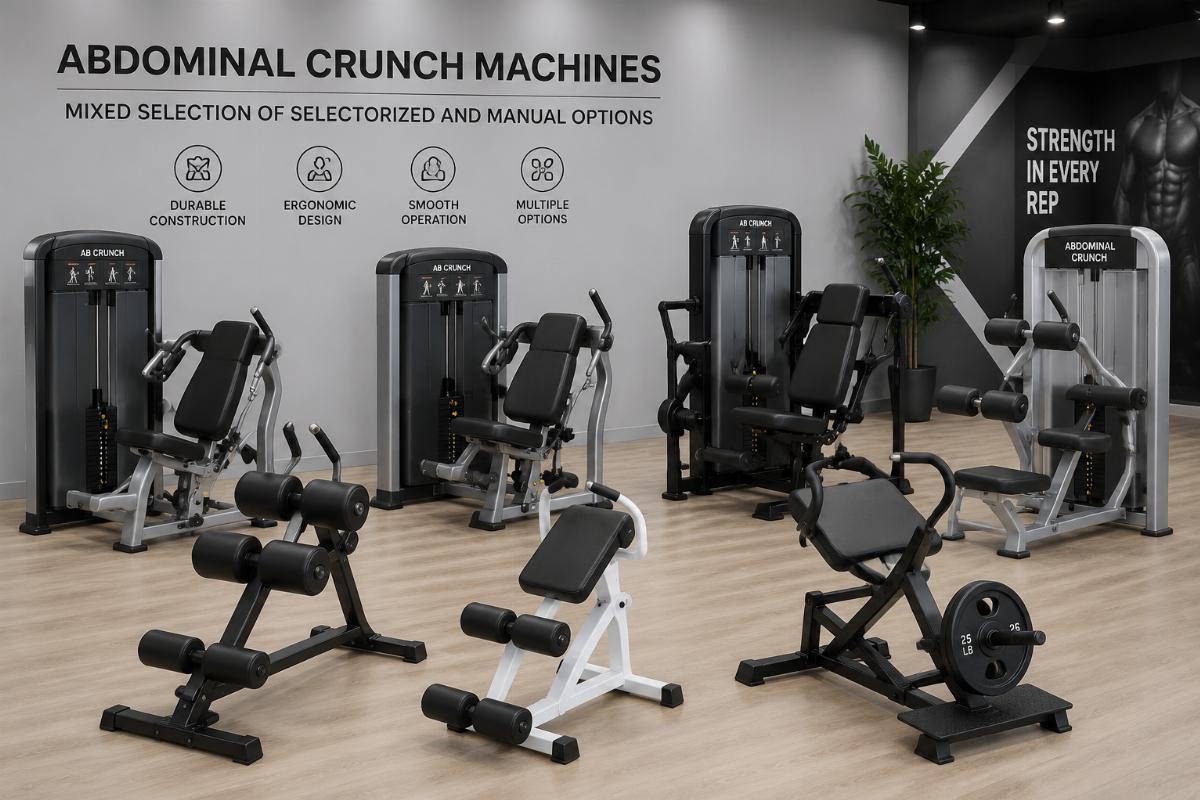
- Budget Alignment – Calculate total cost of ownership over 5 years, including maintenance and replacement parts, rather than only comparing upfront unit price.
- User Prioritization – Rank your target user group’s core needs (resistance range, ease of use, space footprint) to narrow down non-negotiable feature requirements.
- Supplier Matching – Prioritize suppliers that hold all mandatory commercial certifications and can provide references from comparable clients in your region.
Conclusion
The most suitable abdominal crunch machine is never a one-size-fits-all solution, but a match between your facility’s unique use case and a supplier’s verified production capabilities. The biggest sourcing mistakes almost never come from choosing the wrong equipment type, but from overlooking core compliance standards and inflexible order terms that create hidden costs down the line. By prioritizing user capacity, space constraints and formal warranty coverage, you can lock in equipment that serves your facility reliably for years without paying the premium associated with western brand labels.