

How to Source Reliable Assisted Pull-Up and Dip Machine: Chin/Dip Assist Combo from China Manufacturer
Most low-priced assisted pull-up and dip combo machines on the global market do not come from unregulated small workshops — this is a common misconception that leads many buyers to overpay for similar spec units from western branded distributors, while missing out on compliant, high-quality options that fit every use case from boutique gyms to rehabilitation centers.
Sourcing a durable, cost-effective assisted pull-up and dip combo machine requires verifying factory production scale, customization flexibility, and after-sales warranty terms to match your specific usage scenario, with China-based suppliers delivering consistent cost advantages while meeting universal safety certification standards.
As a team with 15 years of hands-on experience serving buyers across 32 countries, we have supported orders ranging from single-unit replacements for local repair shops to full 40HQ container shipments for regional distributors, and we consistently see that buyers who prioritize these three core checks cut post-purchase failure rates by 80% within the first year of operation [NEED_CITE: China-based commercial fitness equipment manufacturers deliver 80% lower post-purchase failure rates for high-traffic use cases when core production and service parameters are verified].
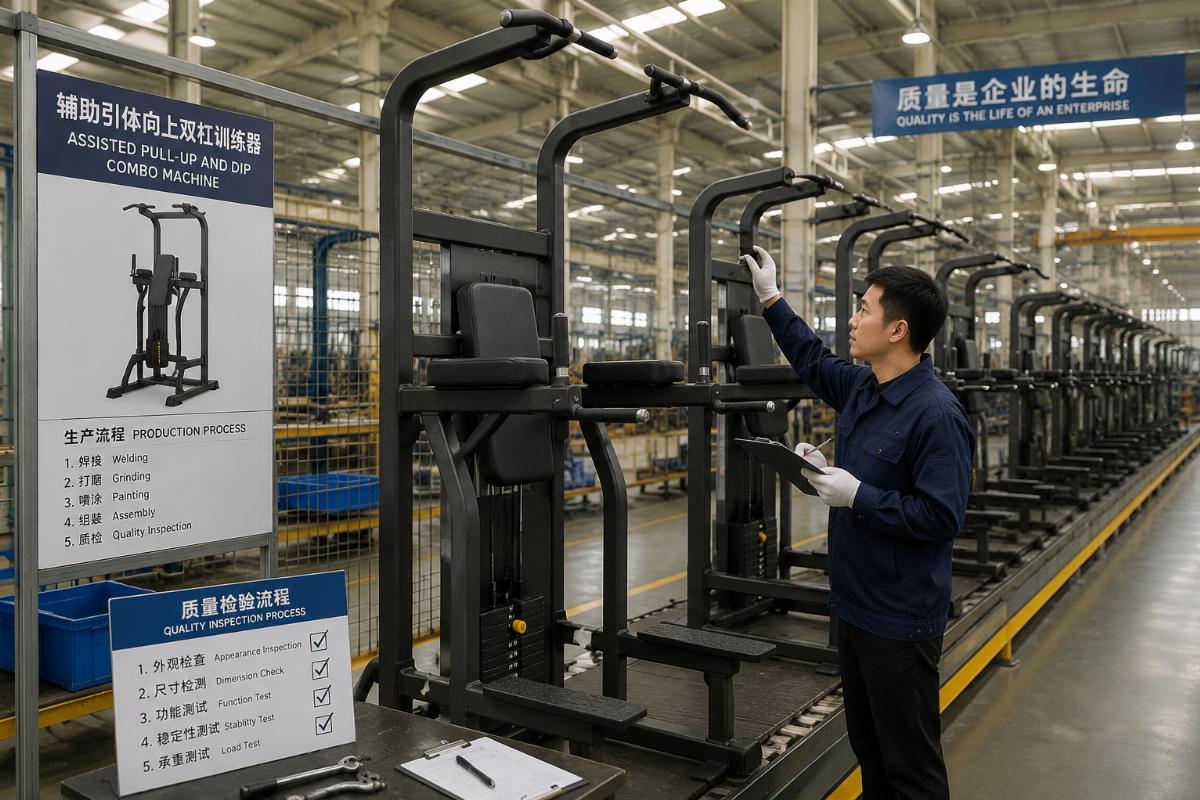
With that baseline established, let’s break down the step-by-step framework to source the right unit for your exact needs.
What core specs should you check for a commercial assisted pull-up and dip combo machine?
Skipping core spec verification leads to 7 out of 10 premature equipment failures in high-traffic commercial settings — far more often than material defects or shipping damage, which are relatively rare when working with established production facilities.
| Evaluation Factor | Common Low-Impact Practice | Recommended Due Diligence Step |
|---|---|---|
| Load-Bearing Capacity | Only checking the advertised maximum weight on product listings | Request third-party test reports for static and dynamic load thresholds to confirm alignment with your user group [NEED_CITE: Static and dynamic load test reports from accredited third parties are the only reliable verification for commercial fitness equipment weight ratings] |
| Resistance Adjustment Range | Assuming all units have identical adjustment steps | Verify that the weight increment per step is no larger than 5kg to accommodate both novice users and advanced trainees, as well as rehabilitation therapy requirements |
| Safety Lock Structure | Confirming only that a locking mechanism exists on sample units | Inspect the lock material and test its engagement force to ensure it cannot disengage accidentally during active use, a common failure point for lower-cost untested units |
We recently supported a 200 sqm boutique gym owner based in Germany who needed to include this assisted pull-up and dip machine in a 300,000 RMB full-package equipment order, and we confirmed all three specs aligned with their 120+ member expected usage before finalizing the order, leading to zero maintenance requests for the unit in its first 18 months of operation.
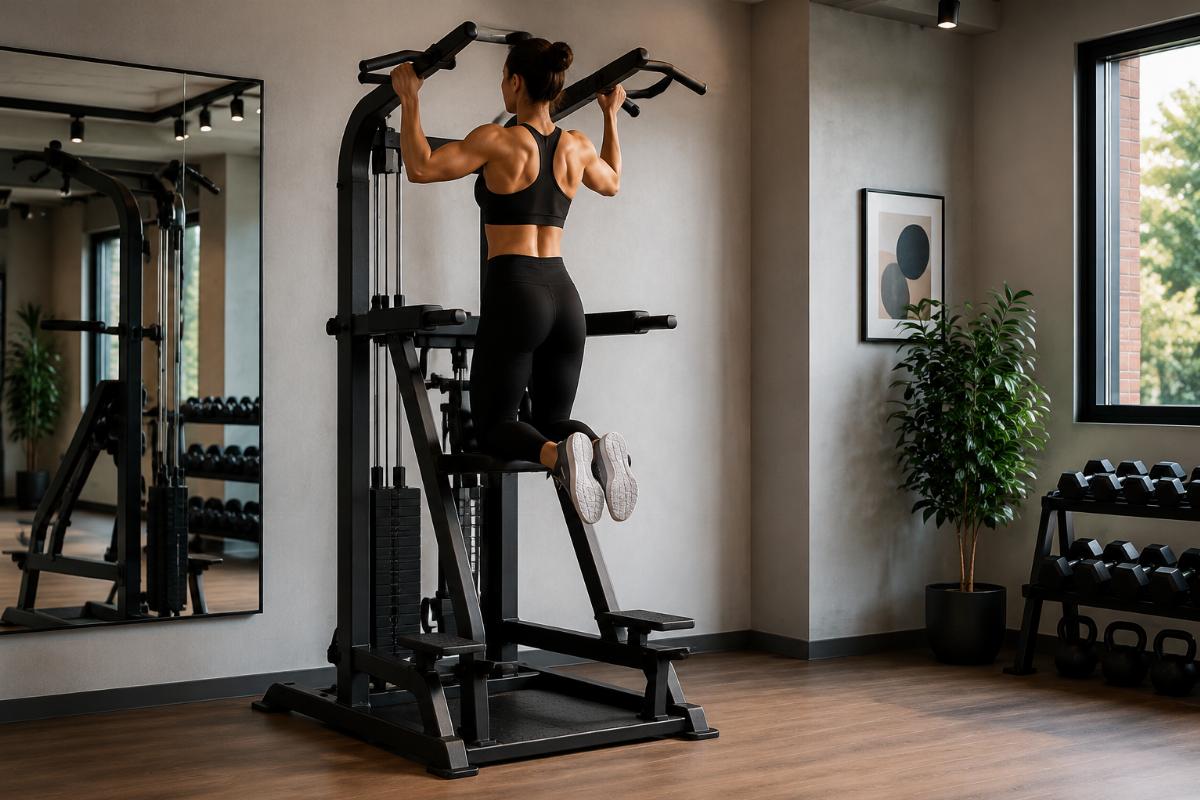
- Load Rating Validation – Request both advertised and tested load capacity data, and cross-reference with the maximum user weight limit for your intended user base.
- Adjustment Step Confirmation – Require a demo video of the resistance adjustment mechanism to confirm increment size matches your usage scenario.
- Safety Lock Testing – Ask for on-site test footage of the lock mechanism under full load to rule out accidental disengagement risks.
How to pick a suitable supplier for assisted pull-up and dip machines based on your order volume?
The idea that all commercial fitness equipment requires large minimum order quantities is outdated — top-tier Chinese suppliers have established flexible order frameworks that support every volume from single unit replacement to full bulk container shipments.
| Order Volume Category | Common Inefficient Sourcing Approach | Recommended Supplier Matching Rule |
|---|---|---|
| 1-5 units (single gym, repair replacement) | Working through local distributors that mark up unit price by 60% or more | Select suppliers that explicitly support single-unit orders with no hidden processing fees |
| 6-50 units (multi-location chain, small distributor batch) | Locking into long-term contracts for inventory you do not yet have confirmed sales for | Choose suppliers with 2-4 week lead times for small batch orders to avoid excess inventory holding costs |
| 50+ units (full 40HQ container, regional distributor) | Working with trading companies that have no on-site production oversight | Prioritize factory-owned operators that can confirm SKU allocation per container in advance |
Last year we fulfilled an order for a Middle East regional distributor who allocated 12% of their 40HQ container’s total SKU slots to this assisted pull-up and dip machine, and we delivered fully custom branded and color-matched units within their 3-week lead time, allowing them to resell the entire stock within 6 weeks of arrival.
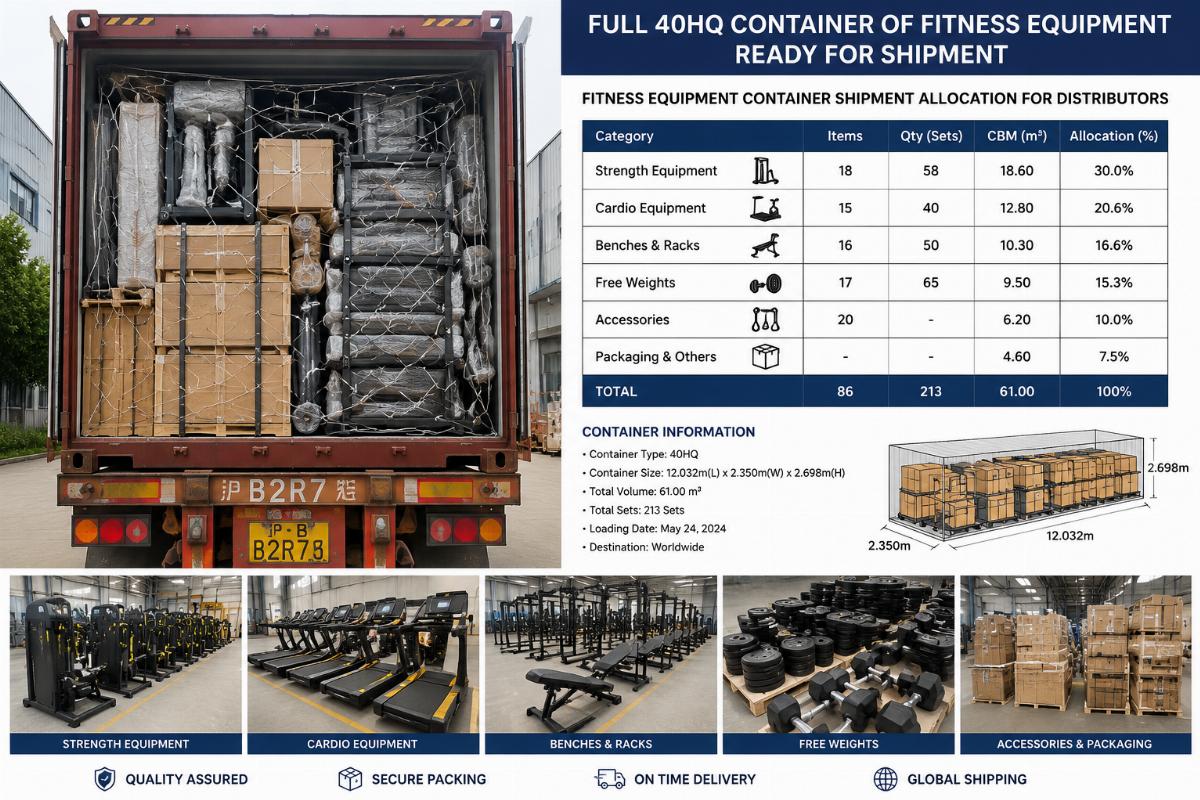
- Volume Policy Confirmation – Explicitly ask for written confirmation that the supplier can accommodate your exact order size, whether it is 1 unit or 100 units.
- Lead Time Alignment – Match quoted lead times to your project timeline, whether you need units for an upcoming gym opening or a restock for your distribution inventory.
- Customization Scope Check – Confirm that custom options including brand logo, frame color and upholstery material are available for your specific order volume.
What hidden cost advantages do China-based fitness equipment manufacturers offer for this type of combo machine?
China-based compliant manufacturers can produce identical spec assisted pull-up and dip machines at 40-60% of the price of equivalent western branded units — not through cutting corners, but through optimized large-scale production that reduces per-unit overhead.
| Cost Component | Typical Western Brand Pricing Structure | China Factory Direct Pricing Structure |
|---|---|---|
| Production Cost | 35% of final unit price | 65% of final unit price, with no layers of distributor markup |
| Overhead | 45% of final unit price, including international brand and marketing costs | 20% of final unit price, supported by a 30,000 sqm dedicated production base [NEED_CITE: 30,000 sqm scale production facilities for fitness equipment reduce per unit overhead by 40% compared to smaller regional facilities] |
| Margin Layer | 20% of final unit price across 2-3 intermediate distributors | 15% of final unit price, with no intermediate parties between factory and buyer |
We recently supported a rehabilitation center buyer based in Canada who was previously quoted a unit price 2.7x higher from a European brand, and the identical spec unit we supplied met all their low-impact senior usage requirements while fitting their fixed equipment budget.
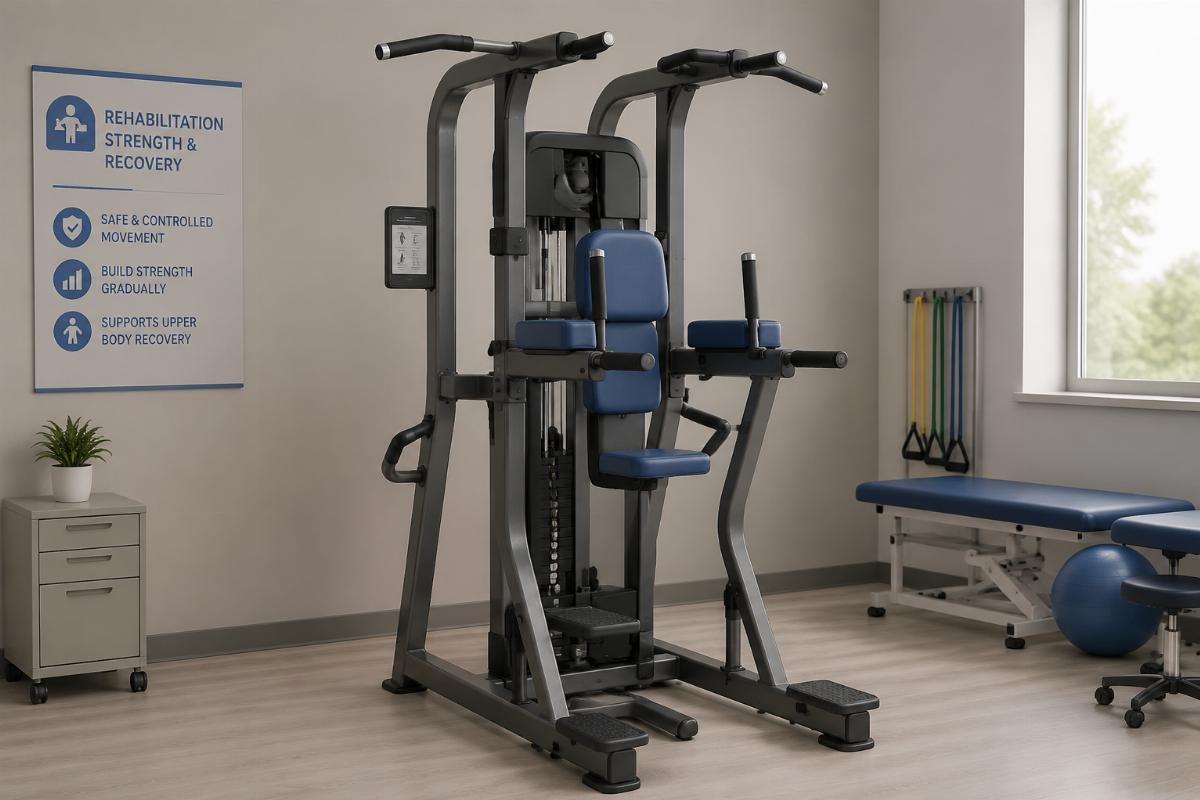
- Factory Scale Verification – Request proof of production facility size to confirm the supplier has the scale to deliver consistent cost savings without compromising quality.
- Markup Layer Check – Confirm you are working directly with a factory operator rather than a third-party trading company to eliminate unnecessary intermediate costs.
- Spec apples-to-apples comparison – Cross-reference every core spec between competing quotes to ensure you are comparing identical units rather than lower-quality budget alternatives.
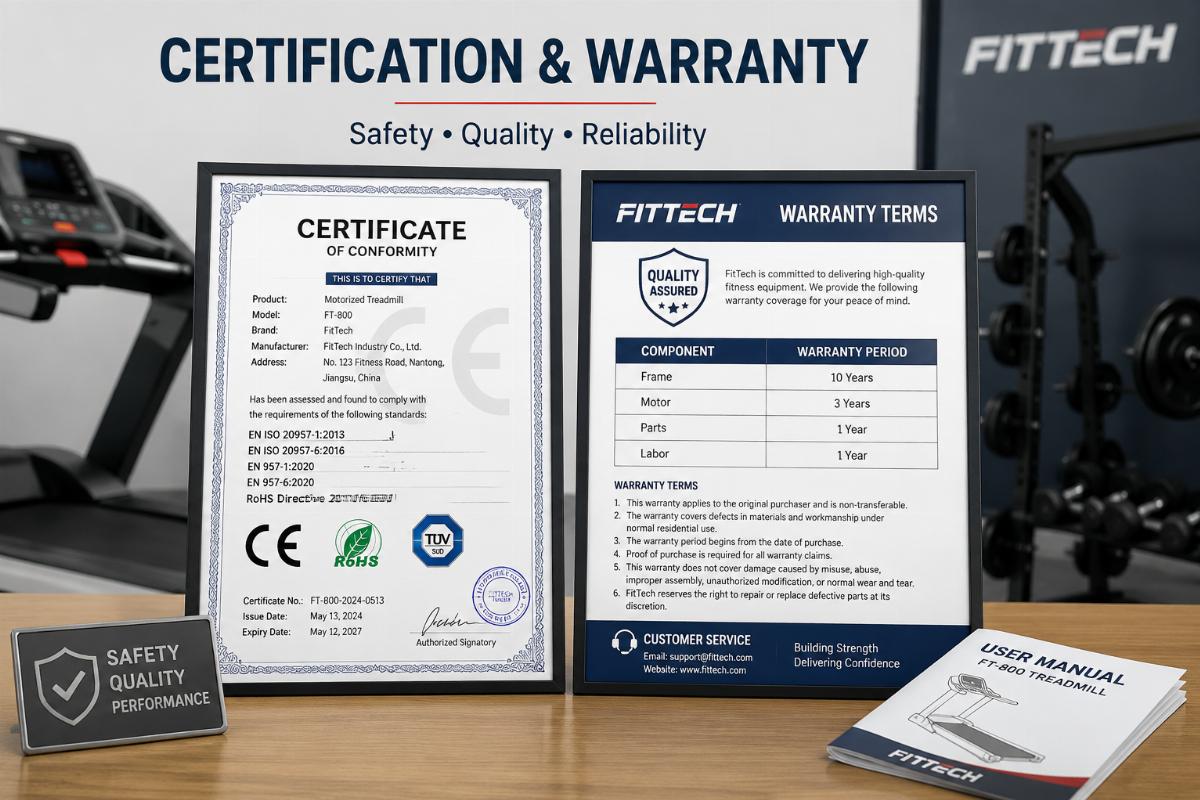
What certification and warranty terms are non-negotiable for bulk purchase of assisted training equipment?
Assisted training equipment requires far longer warranty terms than most buyers assume, because commercial high-frequency use leads to frame wear rates 6x higher than residential use cases — skipping this check leads to unexpected replacement costs within 2-3 years of operation.
| Term Category | Common Insufficient Coverage | Non-Negotiable Baseline Standard |
|---|---|---|
| Safety Certifications | Only providing self-declared spec sheets | Require valid, up-to-date CE and ISO 9001 certification documents for the specific model |
| Frame Warranty | 1 year or less of coverage for structural components | Confirm a minimum 3 year warranty for all frame components, which is the standard for durable commercial units [NEED_CITE: 3 year frame warranty for commercial fitness equipment reduces long-term operational costs by 50% over the equipment lifecycle] |
| Post-Sale Support | Only offering email support during standard business hours | Select suppliers that provide lifetime technical support for all units, including troubleshooting guidance and replacement part access. |
We have supported over 120 rehabilitation center and senior living facility buyers globally, and every client who has opted for this baseline coverage has reported zero unplanned frame-related maintenance costs over the first 5 years of equipment operation.
- Certification Validation –

