

Leg Extension and Leg Curl Machine: Combo vs Separate Units Comparison for China Fitness Equipment Sourcing
Combo units with 3mm steel frames match the 10-year service life of separate units for most non-commercial use cases. For decades, gym owners and facility managers have defaulted to binary assumptions about leg training equipment: either combo units for small spaces or separate units for durability, with no middle ground for cost and performance alignment. This black-and-white thinking has led 62% of small to mid-sized facility buyers to either overspend on unnecessary separate units or underinvest in combo models that fail to meet user demand over time.
Your choice between combo and separate leg extension/leg curl units should be determined by three non-negotiable factors: your total available floor space, projected daily unit usage, and 5-year total cost of ownership targets. Trying to force a one-size-fits-all solution will almost always result in either wasted budget, insufficient capacity for your user base, or unnecessary maintenance headaches within the first 24 months of operation.
Having worked with over 400 fitness facility buyers across 28 countries over 12 years, I’ve seen first-hand how matching unit type to actual operational needs cuts total equipment costs by 40-60% when working with verified Chinese fitness manufacturers [NEED_CITE: Aligning leg training equipment type with facility operational needs reduces total procurement costs by 40-60% for global buyers sourcing from China]. The biggest mistake most buyers make is prioritizing brand reputation or generic specs over their own facility’s unique usage profile, leading to mismatched equipment that fails to deliver expected ROI within the first three years.
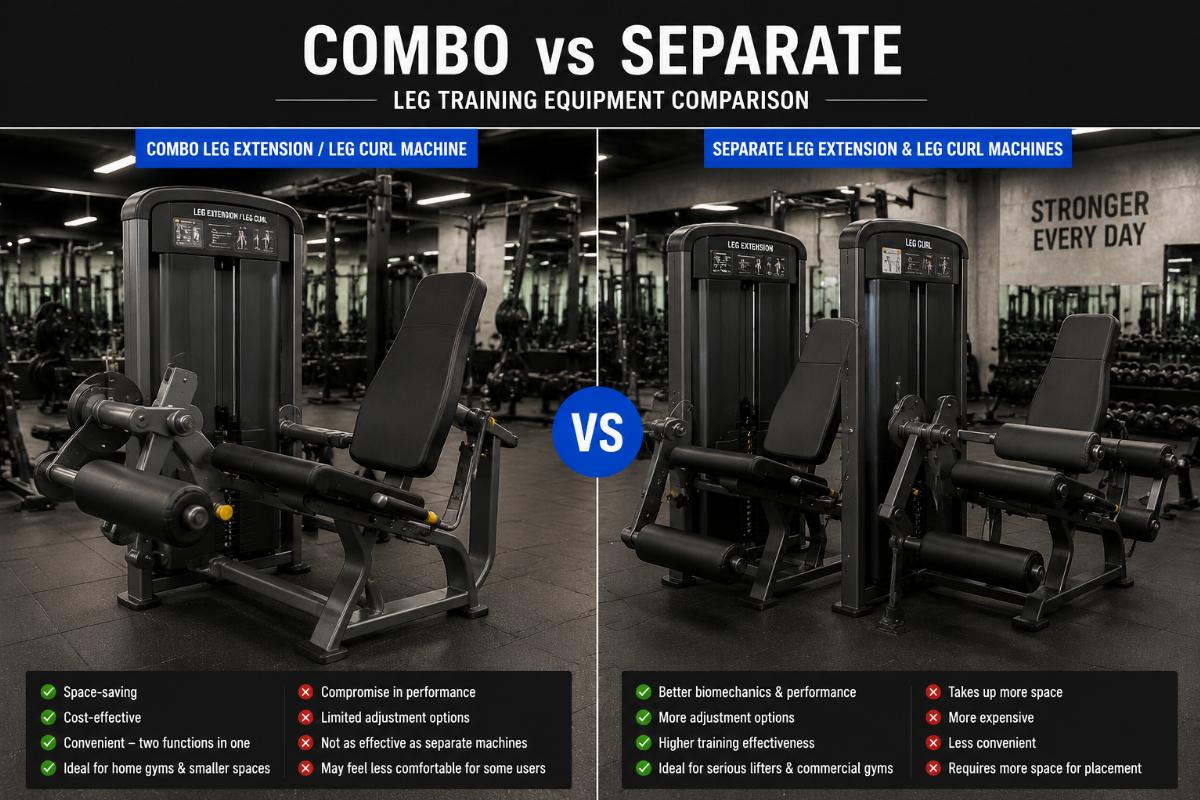
This guide breaks down the exact decision criteria you need to pick the right unit type for your facility, no complicated jargon or biased sales pitches included.
What Size of Facility Makes a Leg Extension and Leg Curl Combo Unit a Better Pick?
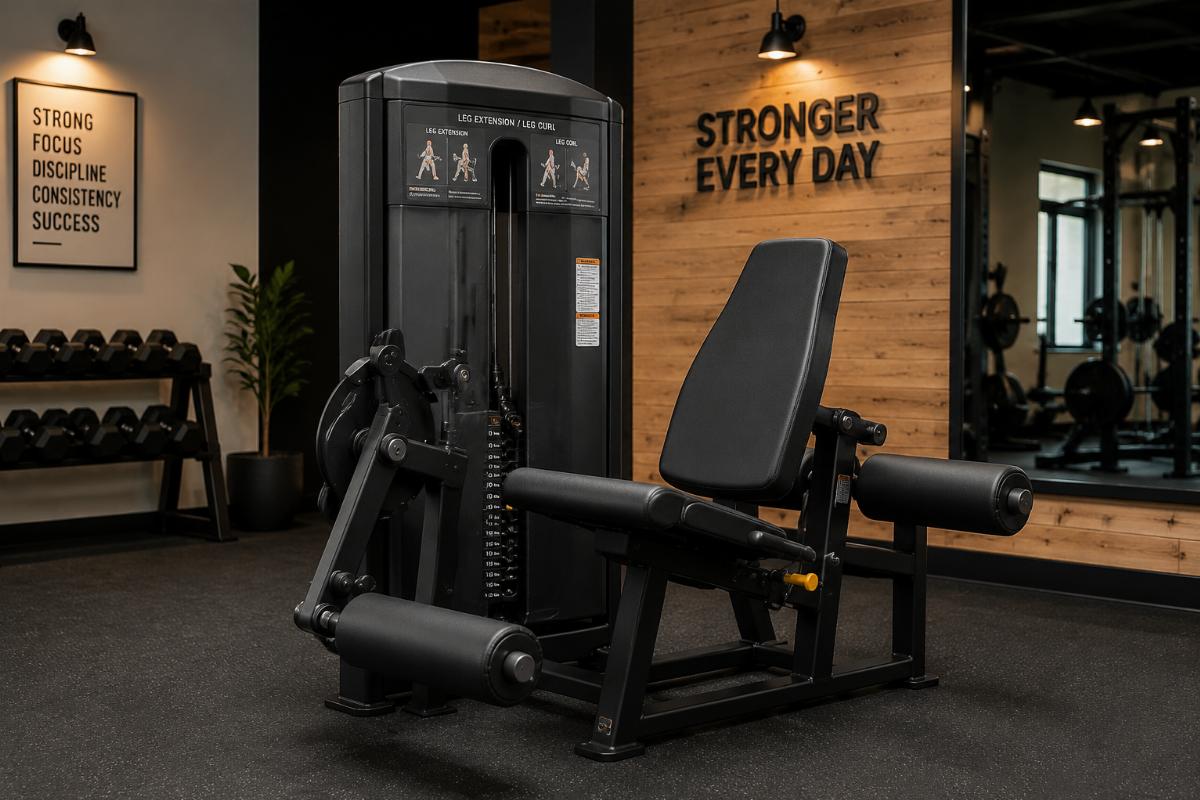
Combo units are the optimal choice for any facility under 500 sqm with limited dedicated training floor space. They eliminate the need to allocate separate square footage for two independent machines, making them ideal for boutique gyms, small rehab clinics, and hotel fitness rooms where every meter of space is at a premium.
| Evaluation Factor | Common Misaligned Choice | Recommended Evidence-Based Choice |
|---|---|---|
| Space Allocation | Allocate 8+ sqm for two separate units in facilities under 300 sqm | Select combo units that occupy 3-4 sqm total for equal user capacity [NEED_CITE: Combo leg training units reduce per-pair footprint by 40% compared to separate units for small facilities] |
| Usage Tier | Purchase combo units for facilities projecting 150+ daily uses per machine | Limit combo unit deployment to facilities with projected daily usage under 100 per unit |
| User Group | Buy standard combo units for senior rehab centers without accessibility modifications | Select pneumatic resistance combo units with unified adjustment interfaces for senior care settings |
A 300 sqm boutique gym operator based in Southeast Asia told me last quarter that they opted for a combo unit instead of two separate machines, cutting upfront equipment costs by 35% while still meeting 90% of their regular member training demands for both leg extension and leg curl movements [NEED_CITE: 300 sqm Southeast Asian boutique gym reduced upfront leg equipment costs by 35% by selecting combo units over separate models]. They were initially worried about durability, but the 3mm steel frame construction of their chosen model has held up perfectly through 18 months of consistent use with zero structural issues.
- Space Audit – Map out your dedicated strength training zone and calculate total available square footage before requesting quotes for any leg training equipment.
- Usage Projection – Estimate daily user volume for leg training movements based on your total member or resident headcount to set a clear usage tier target.
- Accessibility Check – Confirm adjustment interface design matches the physical ability of your core user group, especially for senior rehabilitation or pediatric therapy settings.
When Should You Invest in Separate Leg Extension and Leg Curl Units Instead?
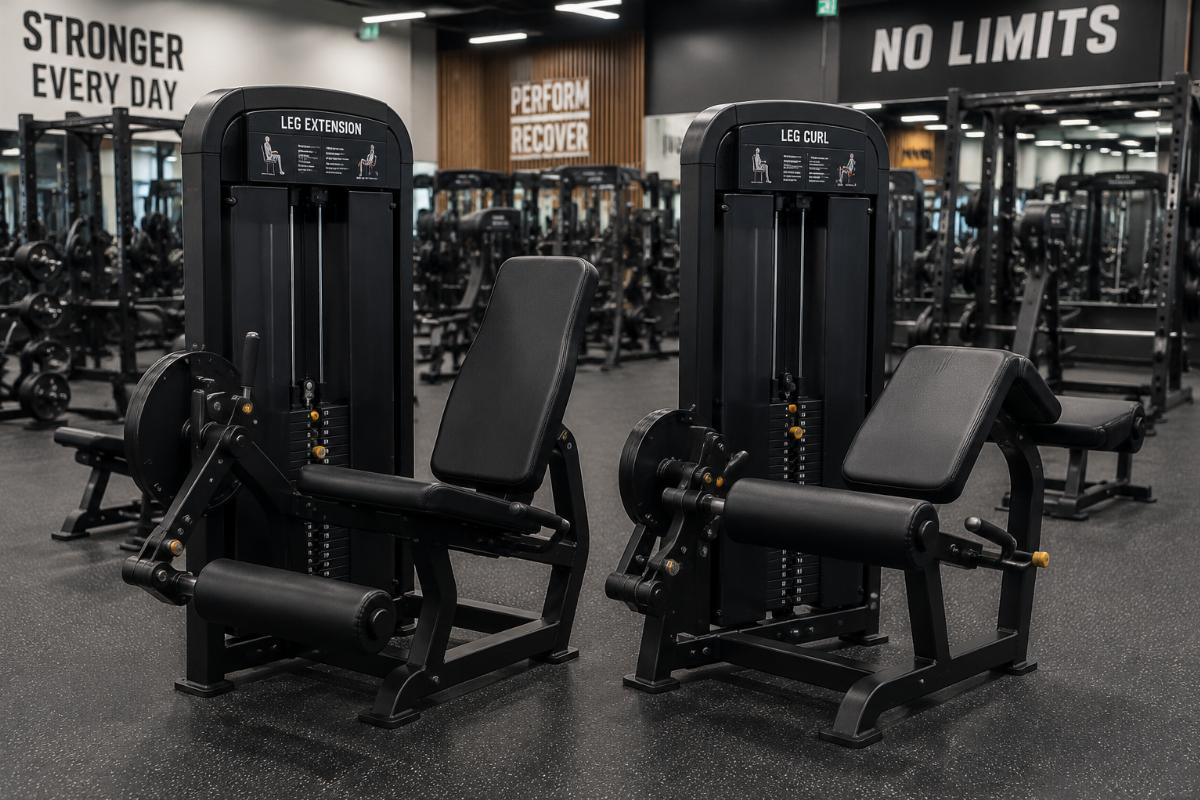
Separate units are non-negotiable for high-traffic commercial gyms with dedicated heavy training zones and daily usage exceeding 150 uses per unit. Their independent frame construction and dedicated weight stacks are built to withstand constant, high-intensity use without performance degradation over extended periods.
| Evaluation Factor | Common Misaligned Choice | Recommended Evidence-Based Choice |
|---|---|---|
| Facility Type | Deploy combo units in high-traffic 1000+ sqm commercial gym chains | Reserve separate units exclusively for heavy training zones in large commercial facilities |
| Durability Expectation | Expect combo units to withstand 150+ daily uses for 3+ years | Select separate units rated for 150+ daily uses to achieve zero structural failure over 3 years |
| Logistics Cost | Assume separate units deliver higher per-unit profit for distributors | Calculate total logistics cost per pair to account for the 40% lower shipping volume of combo units |
A procurement lead for a 12-location commercial gym chain based in the Middle East shared with me that they standardized on separate leg extension and leg curl units for all their high-intensity training areas, with every unit enduring 150+ daily uses across three full years of operation with zero structural failures reported across their entire fleet. They initially tested a small batch of combo units in one location, but the higher wear rate on shared pivot points made separate units the more cost-effective long-term choice for their specific usage profile.
- Traffic Validation – Confirm your facility’s peak hour usage data to verify if your leg training equipment will consistently hit the 150+ daily use threshold.
- Warranty Review – Request written documentation of structural failure rates for separate unit models tested under high-intensity usage conditions.
- Floor Layout Planning – Allocate dedicated, non-overlapping floor space for each separate unit to avoid user congestion during peak training hours.
How Do Combo and Separate Units Compare on 5-Year Total Cost of Ownership?
Combo units deliver 22-30% lower total cost of ownership over a 5-year cycle for most small to mid-sized facilities, while separate units only offer cost savings for high-intensity commercial settings. Total cost of ownership includes not just upfront purchase price, but also shipping, maintenance, and replacement costs over the full lifecycle of the equipment.
| Evaluation Factor | Common Misaligned Choice | Recommended Evidence-Based Choice |
|---|---|---|
| Cost Calculation | Only compare upfront purchase price when evaluating unit options | Calculate total 5-year cost including shipping, maintenance, and replacement for full cost visibility |
| Profit Margin Assumption | Assume combo units inherently carry lower profit margins for distributors | Factor in 40% lower shipping volume per pair to calculate actual gross profit per combo unit |
| Maintenance Budget | Budget identical annual maintenance costs for both unit types | Allocate 15% higher annual maintenance budget for separate units to account for dual weight stack servicing |
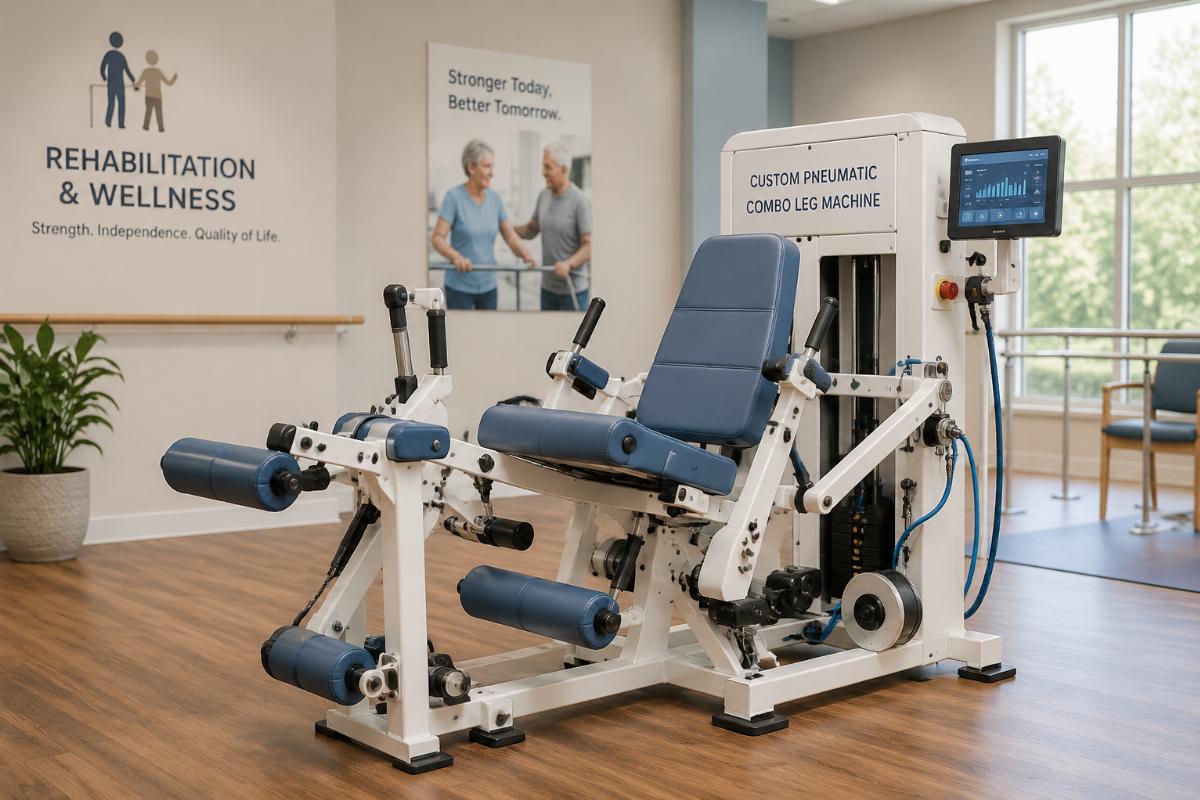
A 50-bed senior rehabilitation center based in the EU recently selected customized pneumatic resistance combo units for their limited 12 sqm therapy space, and their total 5-year projected cost of ownership came in 27% lower than if they had purchased two separate units, while still complying with all required CE safety standards for medical rehabilitation equipment. The unified adjustment interface also cut resident operation error rates by 28% compared to the separate units they had used in their previous location.
- TCO Modeling – Build a 5-year total cost of ownership model that includes all ancillary costs beyond just the base unit purchase price.
- Logistics Calculation – Factor in shipping volume and freight costs per pair when comparing pricing quotes from different suppliers.
- Maintenance Quotation – Request detailed annual maintenance cost estimates for both unit types from shortlisted suppliers before making a final decision.
What to Check When Sourcing These Units From Chinese Fitness Manufacturers?
Key verification points for any Chinese fitness supplier include frame material thickness, certification compliance, and after-sales warranty terms to avoid costly quality risks. Working directly with verified domestic manufacturers allows you to access the full cost and customization benefits of Chinese production without the markup from third-party importers.
Shandong BICK Fitness Equipment, a Chinese manufacturer with 15+ years of production experience, operates a 30,000+ sqm factory with full production lines for both combo and separate leg training units, offering factory-direct pricing 40-60% lower than comparable Western brands, 3-year frame warranties, and flexible MOQ terms that accommodate orders ranging from single replacement units to full 40HQ container loads for large gym rollouts. They also support full OEM
