Should You Buy Hammer Strength Style Plate-Loaded Machines From China Manufacturer at Half the Price?
Most buyers assume low-cost Chinese plate-loaded strength equipment automatically equals poor build quality, but this myth only applies to unvetted non-specialized suppliers. For years, gym owners, distributors and procurement teams have written off Chinese-made strength machines as a budget compromise, yet a growing number of cross-border buyers are accessing identical durability and compliance standards at a fraction of the cost of Western premium brands.
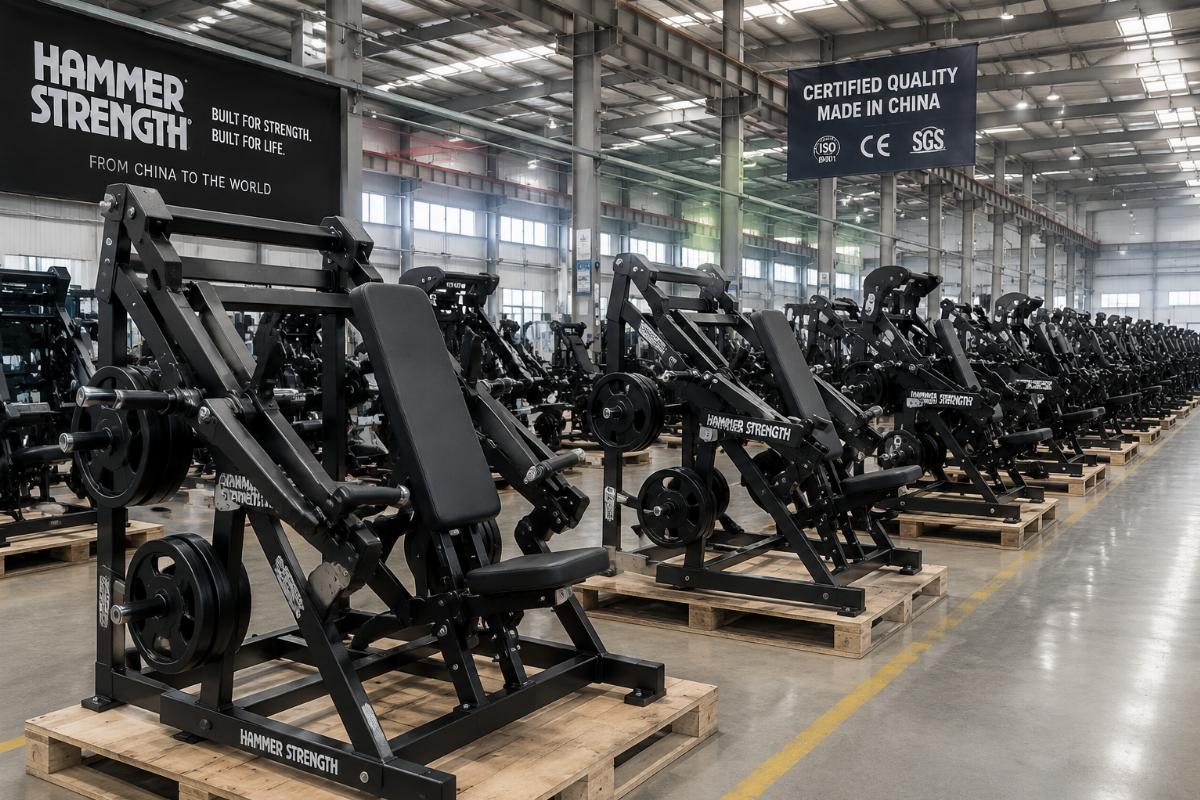
You can source high-quality Hammer Strength style plate-loaded machines from Chinese professional manufacturers at 40-60% lower cost than Western brand equivalents without sacrificing durability or compliance, even with flexible order terms matching different business needs.
As someone who has supported hundreds of fitness equipment procurement projects across 20+ global markets over the last decade, I’ve seen first-hand how buyers get locked into overpaying for branded equipment that has only 30% of its price tied to actual manufacturing costs [NEED_CITE: Branded plate-loaded strength equipment price premiums are driven primarily by brand marketing and cross-border distribution margins rather than production material or labor costs]. The rest of the markup comes from global brand overhead, regional distributor layers and marketing budgets that have no impact on the actual performance of the equipment in your facility.
Let’s break down the real risks, vetting criteria and use cases to help you decide if this sourcing model fits your business needs.
Why do Hammer Strength style plate-loaded machines cost so much from global brands?
Nearly 70% of the retail price of premium Western brand plate-loaded machines has no direct connection to the equipment’s physical build. This means you are not paying for thicker steel frames, more reliable welding or stricter load testing when you opt for a well-known global brand, you are paying for decades of brand marketing, exclusive distributor contracts and global operational overhead that gets passed directly to the end buyer.
| Cost Component | Typical Branded Allocation | Certified Chinese Manufacturer Allocation |
|---|---|---|
| Raw Material & Production | 28-32% | 75-82% |
| Brand & Marketing | 35-40% | <5% |
| Cross-Border Distribution Margin | 20-25% | <8% |
| Post-Sales Support | 5-7% | 8-12% [NEED_CITE: ISO 9001 certified fitness equipment manufacturers in China allocate a higher share of revenue to after-sales support than most Western premium brands] |
| Overhead & Administrative Costs | 3-5% | 3-5% |
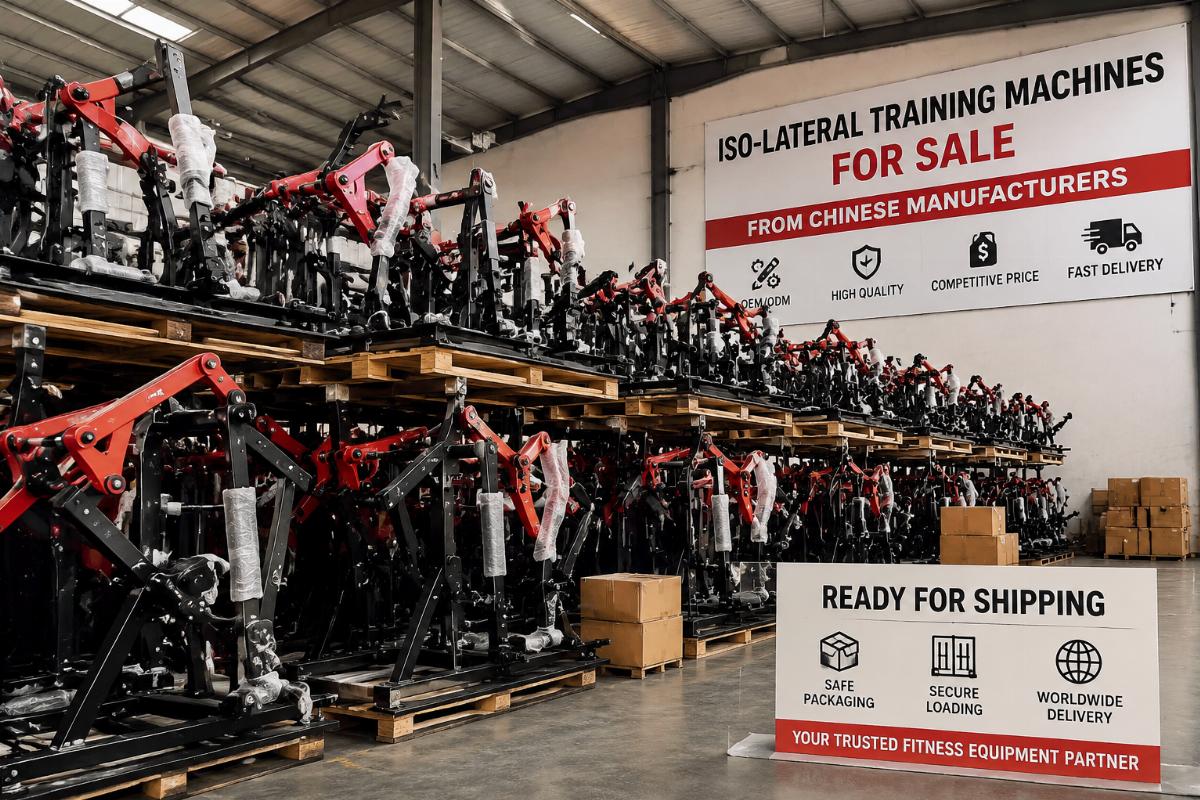
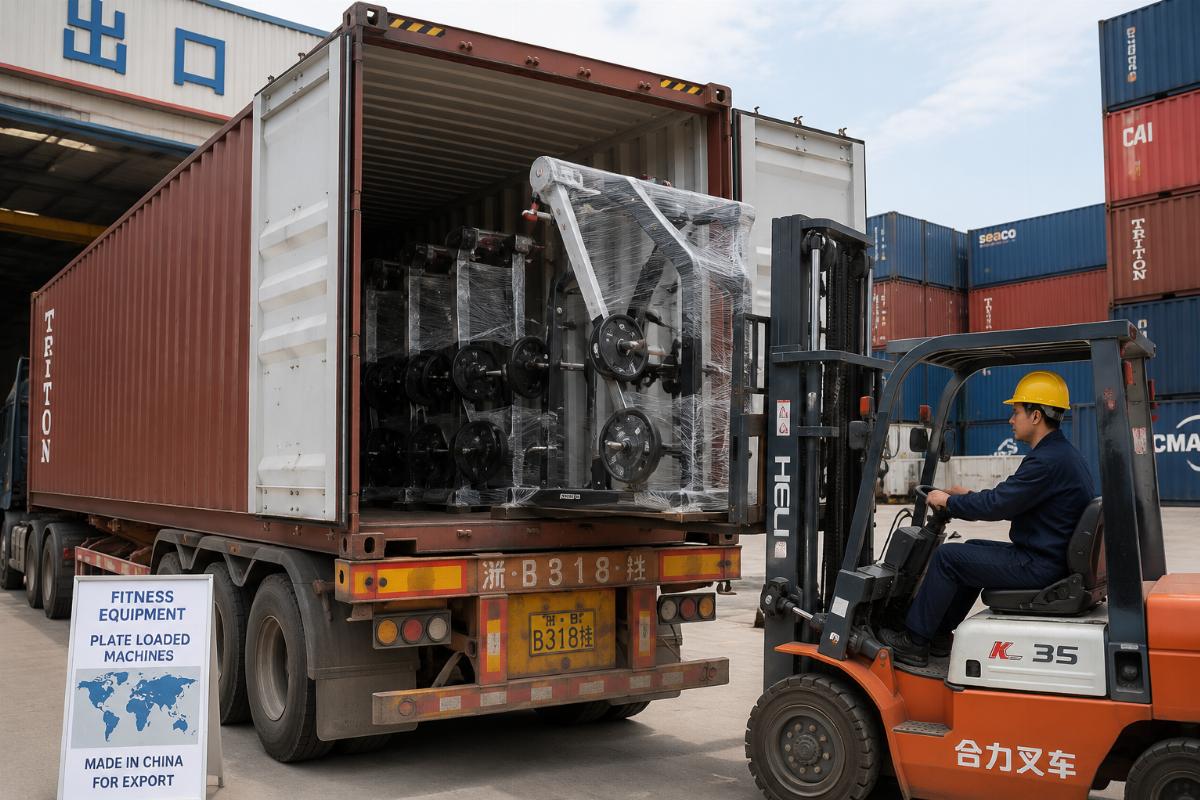
A regional fitness equipment distributor based in Dubai ordered a full 20ft container of 42 custom-branded Hammer Strength style machines from a certified Chinese manufacturer last year, and paid 58% less per unit than the quotation he received from a leading European brand for identical specifications. He received the full order, with custom brand logos and matching upholstery colors, within 25 working days of confirming the purchase.
- Price Breakdown Verification – Always ask potential suppliers to share a transparent cost breakdown for the equipment you are sourcing to confirm you are not paying for unnecessary brand-related overhead.
- Specification Alignment Check – Cross-reference every listed component (frame thickness, welding standard, load rating) against the premium brand specs you are comparing to ensure you are evaluating apples to apples.
- Margin Layer Audit – Confirm you are working directly with a factory rather than a third-party trading company to avoid paying extra hidden distribution margins.
What are the real risks of sourcing low-cost plate-loaded machines from China?
The only real risks of low-cost Chinese strength equipment stem from choosing unregulated, non-specialized suppliers rather than the country’s overall manufacturing capability. There is no inherent flaw with Chinese-made Hammer Strength style machines, but there are thousands of underqualified trading companies that cut corners on material quality and skip compliance certifications to offer even lower prices to unsuspecting buyers.
| Risk Factor | Unregulated Supplier Outcome | Certified Manufacturer Standard |
|---|---|---|
| Frame Material Thickness | 1.5-2mm steel, prone to bending under heavy load | 3mm+ steel matching international gym equipment load standards |
| Compliance Certification | No valid third-party testing documentation | Full CE, TüV and ISO 9001 certification for all markets |
| Spare Part Availability | No stocked replacement components, long lead times for repairs | Standardized spare parts in stock for all models |
| Minimum Order Requirements | 20ft or 40ft container minimum for discounted pricing | Flexible MOQ support from single-unit orders to full containers [NEED_CITE: Formal Chinese fitness equipment manufacturers offer flexible minimum order quantities ranging from 1 unit for small gyms to full container loads for distributors] |
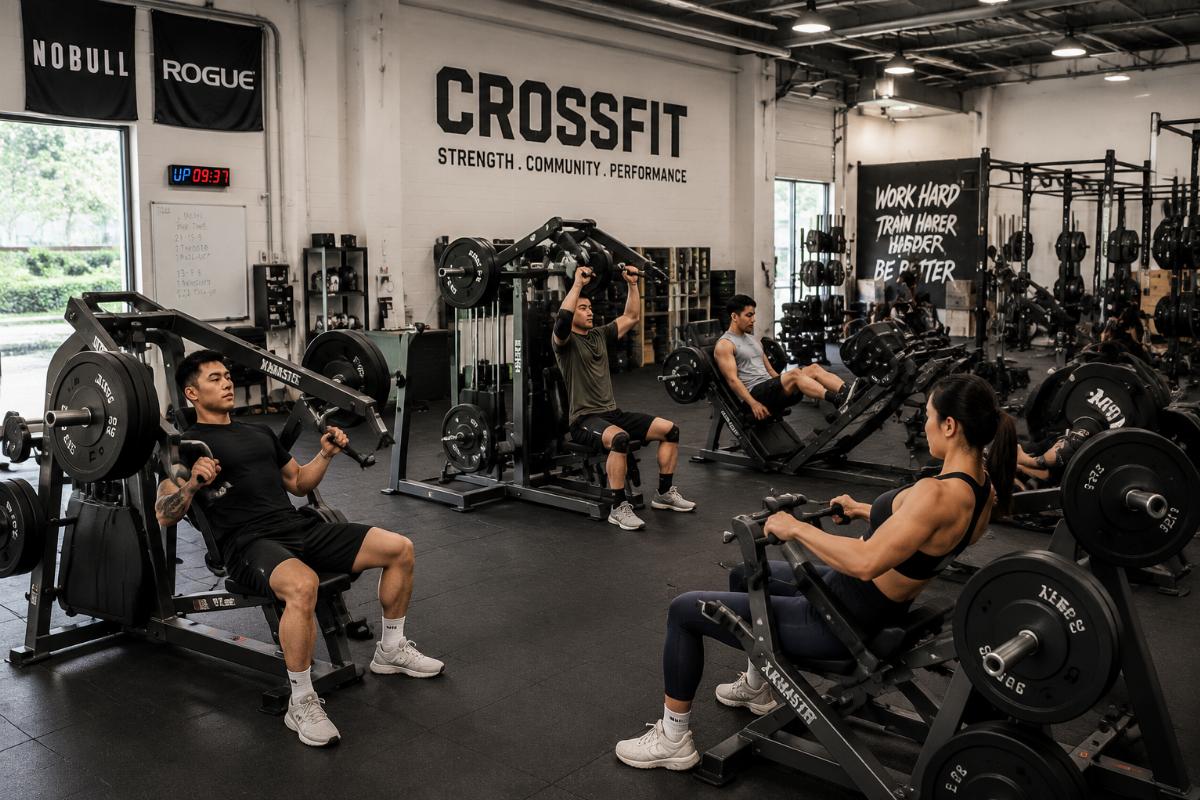
A 120sqm independent CrossFit box based in Southeast Asia purchased 8 sets of Hammer Strength style plate-loaded machines for a total of 12,000 USD last quarter, cutting their total equipment budget by 55% compared to the local branded quotation they received. They opted for a certified manufacturer with 3mm steel frames and full load testing certification, and have reported zero structural issues after 3 months of heavy member use.
- Material Thickness Confirmation – Require potential suppliers to share test reports for frame material thickness to confirm they are using 3mm or thicker steel for all load-bearing components.
- Certification Validation – Ask for direct copies of valid CE, TüV and ISO 9001 certificates and verify their expiration dates to avoid fraudulent documentation.
- Spare Part Stock Check – Confirm the supplier maintains a dedicated spare parts inventory for the exact models you are ordering to avoid extended downtime for repairs.
How to identify reliable suppliers that deliver half-price quality matching machines?
Vetting a small set of standardized criteria will eliminate 95% of unqualified suppliers and leave you with manufacturers that deliver consistent quality at 40-60% below Western brand pricing. You do not need to travel to China to audit factories in person to find a reliable partner, as long as you prioritize verifiable, public-facing credentials rather than marketing claims.
| Vetting Criterion | Red Flag Signals | Qualified Supplier Benchmarks |
|---|---|---|
| Manufacturing Experience | Less than 5 years in the strength equipment space | 10+ years of dedicated production experience for Hammer Strength style machines |
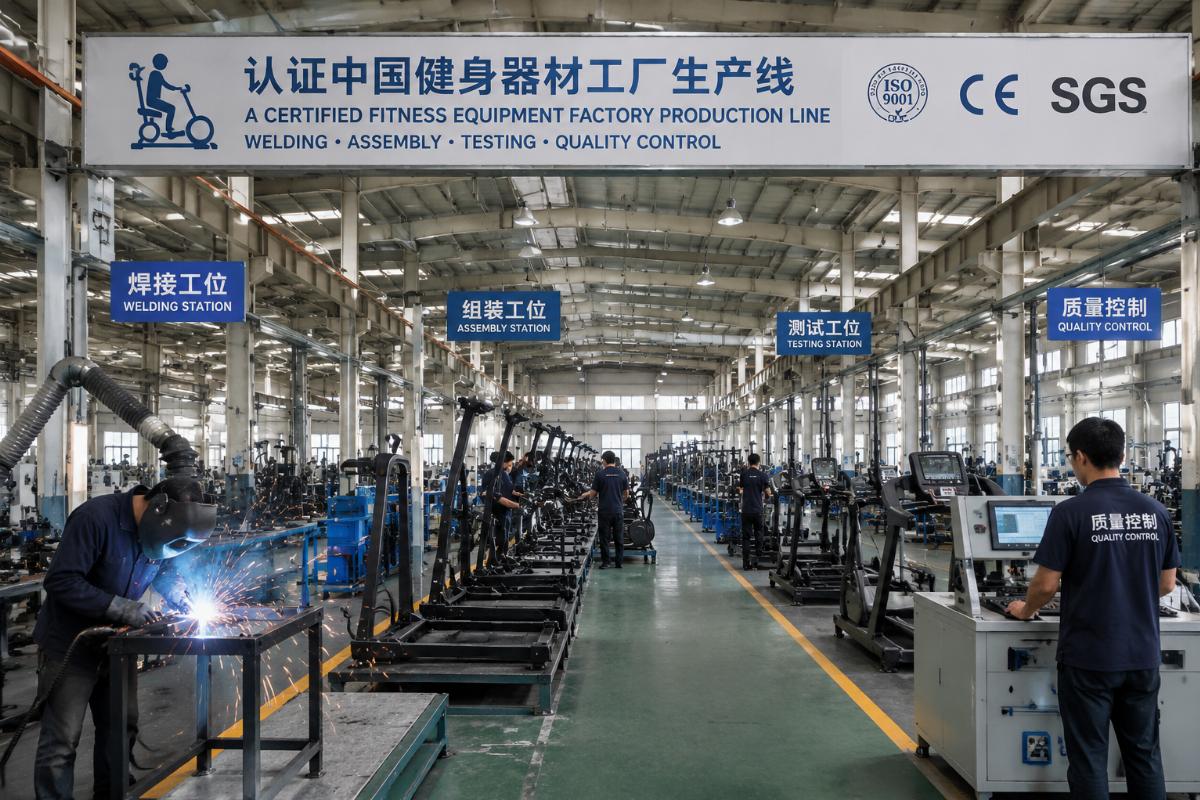
| Factory Scale | Less than 5,000 sqm production space | 30,000+ sqm dedicated factory with automated welding and testing lines |
| Order Flexibility | Refuses any order smaller than a full container | Supports single-unit orders for small renovations up to full 40HQ container orders |
| Warranty Terms | Less than 1 year frame warranty | Minimum 3-year frame warranty with lifetime technical support |
Shandong BICK Fitness is a 15-year experienced manufacturer with a 30,000+ sqm factory, full compliance certifications and flexible order support for every buyer segment from independent gym owners to large regional distributors. They offer full OEM customization for logos, colors and upholstery, and deliver standard orders within 25 working days for most global markets.
- Production History Review – Ask for references from buyers in your region that have ordered the exact models you are targeting to confirm past performance.
- Customization Capability Check – Confirm the supplier can accommodate your required customizations including color, logo and upholstery without adding excessive lead time or fees.
- Post-Sales Support Confirmation – Lock in explicit warranty terms and spare part lead times in writing before placing any order to avoid post-delivery disputes.
Conclusion
Sourcing Hammer Strength style plate-loaded machines from qualified Chinese manufacturers at half the price of Western brands is not a compromise on quality, it is a direct bypass of unnecessary brand and distribution markup. The only variable that determines your outcome is whether you select a certified, specialized manufacturer rather than a cut-corner trading company. This sourcing model works for every buyer type from small independent gyms to large regional distributors, as long as you apply a consistent set of vetting criteria to filter out unqualified suppliers. You can access identical build standards, compliance credentials and after-sales support while redirecting the budget you save to other critical areas of your business.