

Bick vs Impulse Gym Equipment: Wholesale Supplier Comparison
Most buyers assume Shandong-based gym equipment factories deliver identical quality. The real divide lies in post-weld heat treatment execution and tolerance control discipline.
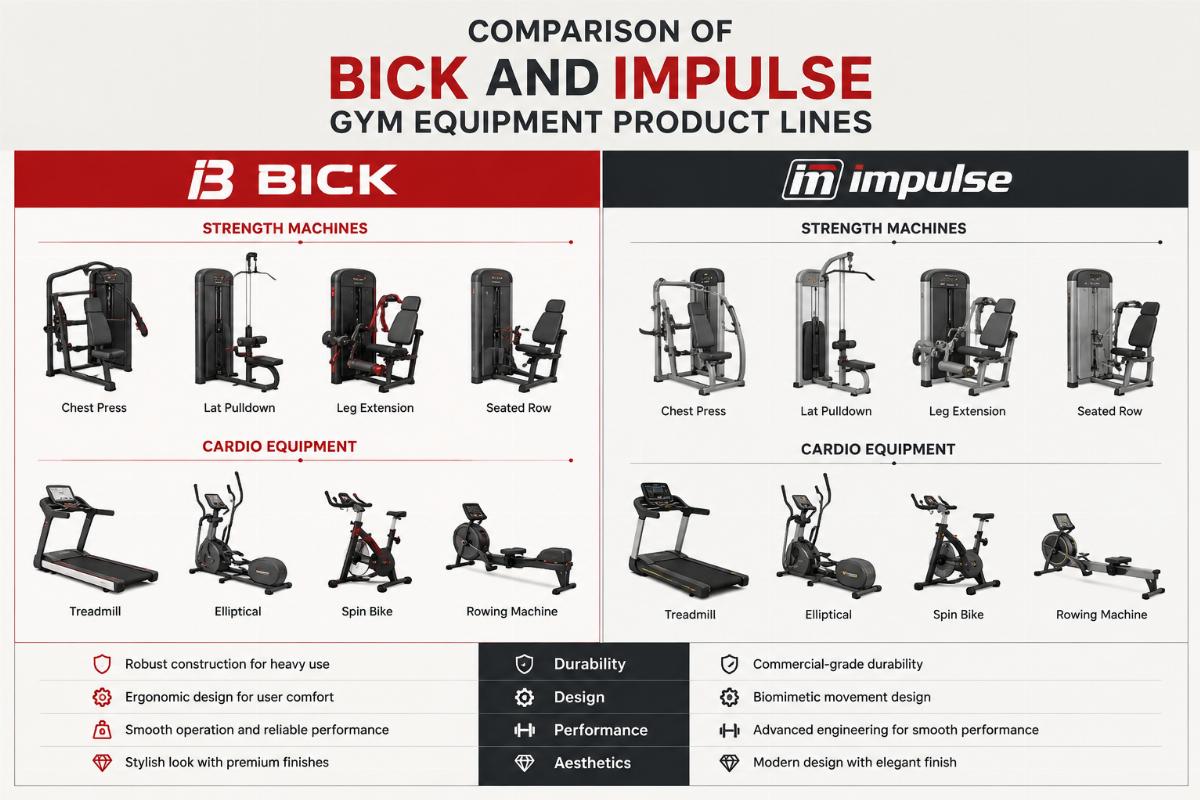
Bick and Impulse both operate within the Shandong industrial belt, but they serve fundamentally different buyer profiles. Bick emphasizes OEM flexibility, factory-direct pricing, and adaptable MOQ structures for distributors and project buyers. Impulse operates as an established brand with mature distribution channels. Your choice should depend on procurement scale, branding requirements, and target market positioning.
I spent years on shop floors in Qingdao welding Smith machines before moving into overseas installation coordination. On a hotel fitness center project in East Africa, a full container of cardio and strength equipment arrived on-site. The client hired local technicians for assembly. The Smith machine weight stack pin holes were off by a couple of millimeters—plates jammed, the entire unit became unusable. Transcontinental calls stretched across weeks before air-shipping replacement parts resolved the issue. That project fundamentally changed how I approach specification alignment before any order confirmation. Both Bick and Impulse gym equipment lines have crossed my desk, and the differences run deeper than surface-level branding.
Let me walk you through what actually matters when evaluating these two manufacturers.
What Are the Core Positioning Differences Between Bick and Impulse?
Bick operates as a factory-direct OEM/ODM partner prioritizing customization flexibility and competitive pricing. Impulse functions as a mature brand with established global distribution networks.
The distinction shapes everything from minimum order expectations to communication patterns. Bick’s production model accommodates buyers who need private labeling, custom color schemes, or specification modifications for specific market requirements. Their facility structure supports both single-unit trial orders and full container consolidation [NEED_CITE: Chinese fitness equipment export volume and manufacturer classification data]. This matters significantly for distributors entering new territories or hotel developers outfitting boutique fitness spaces.
Impulse has built recognizable brand equity across multiple continents. Their equipment carries established certifications and benefits from dealer networks that provide localized support. For buyers who prioritize brand recognition and established service infrastructure, this represents a tangible advantage. However, brand premiums embed into unit pricing, and customization requests typically flow through longer approval chains.
A distributor based in the Middle East once compared quotes for a full commercial gym package. The Bick proposal included custom upholstery colors matching the client’s interior design scheme, modified weight stack increments for a regional preference, and branded packaging—all without significant MOQ barriers. The Impulse quote offered standard configurations with limited modification options and required larger volume commitments for any deviation from catalog specifications.
The positioning difference extends to technical documentation. Bick provides detailed manufacturing drawings and tolerance specifications upfront, enabling buyers to verify compliance before production begins. Impulse supplies polished product catalogs with performance claims, but granular manufacturing data often requires formal request processes.
Where Do Quality Control Gaps Appear in Commercial Strength Equipment?
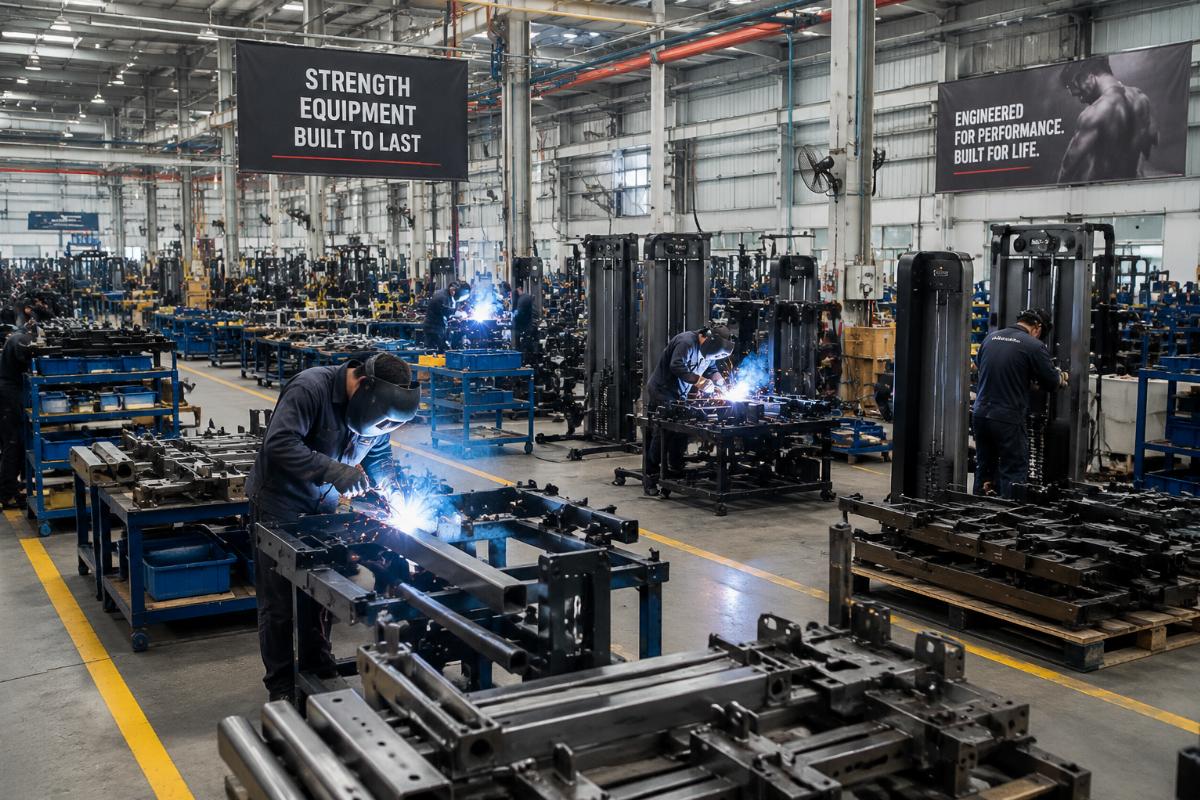
The critical quality differentiators hide in post-welding treatment protocols and machining tolerance consistency—factors invisible in product photos.
Steel tube wall thickness specifications appear identical on paper across both manufacturers. The divergence emerges in how consistently those specifications hold across production batches. Commercial gym equipment faces continuous dynamic loading. A Smith machine rated for heavy use requires not just adequate wall thickness, but uniform material properties throughout the weld zones [NEED_CITE: EN 957 and ASTM F2216 commercial strength equipment safety standards].
Post-weld heat treatment eliminates residual stresses from fabrication. Skipping or shortening this process reduces production costs but creates long-term fatigue vulnerability. Equipment passing initial inspection may develop micro-cracks after months of commercial use. The failure doesn’t appear as catastrophic breakage—it manifests as weld joint loosening, frame flex under load, or guide rod misalignment in selectorized machines.
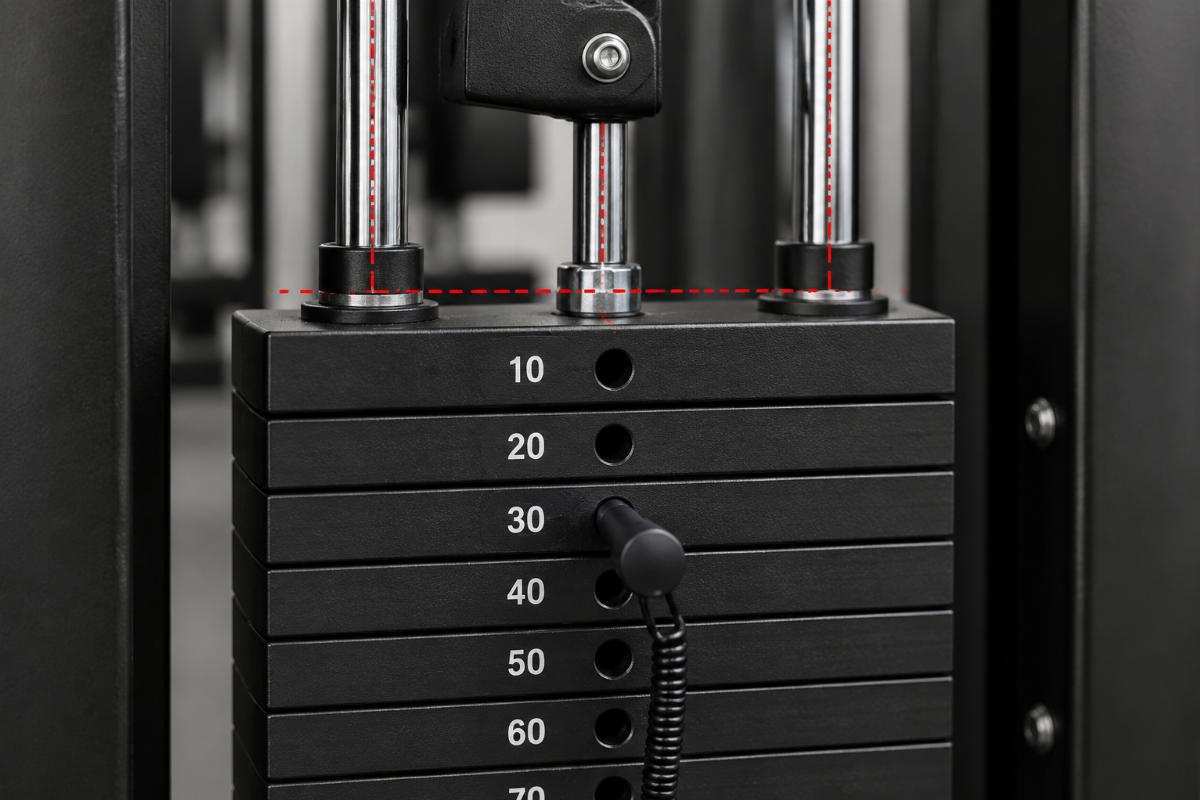
Weight stack pin hole tolerance represents another critical checkpoint. The selectorized machine weight plates must slide smoothly on guide rods while maintaining precise hole alignment for pin insertion. When hole spacing drifts beyond acceptable ranges, plates jam or create uneven resistance curves. This tolerance requirement demands consistent machining accuracy across every production unit, not just sample pieces.
| Quality Parameter | Bick | Impulse |
|---|---|---|
| Post-weld stress relief | Controlled process | Standard process |
| Machining tolerance consistency | Verifiable batch-level | Certified standard |
| Guide rod straightness | Controlled | Standard |
| Weld penetration inspection | Full batch-level | Sample-level |
| Weight stack hole alignment | Controlled | Standard |
A boutique studio owner in Southeast Asia purchased comparable cable crossover machines from both suppliers during a facility expansion. The Bick units maintained consistent cable tension and smooth weight stack movement after extended heavy use. The Impulse units performed well initially but developed occasional pin insertion resistance in the weight stacks within the first year of operation—traceable to slight guide rod deflection under sustained loading.
The quality gap isn’t about one manufacturer being superior overall. It’s about where each allocates production resources. Bick invests in process controls that ensure consistency across customized orders. Impulse invests in brand-standard quality systems that support their distribution model.
How Do Hidden Costs Compare in Full Container Procurement?
The invoice price represents only the opening chapter of total ownership cost. Spare parts availability, replacement logistics, and technical response speed determine long-term operational economics.
Full container gym equipment purchases create a specific risk profile. When dozens of machines ship together, any manufacturing defect or shipping damage multiplies into operational disruption. A single non-functional Smith machine in a commercial gym creates member complaints. Multiple units with issues create revenue impact.
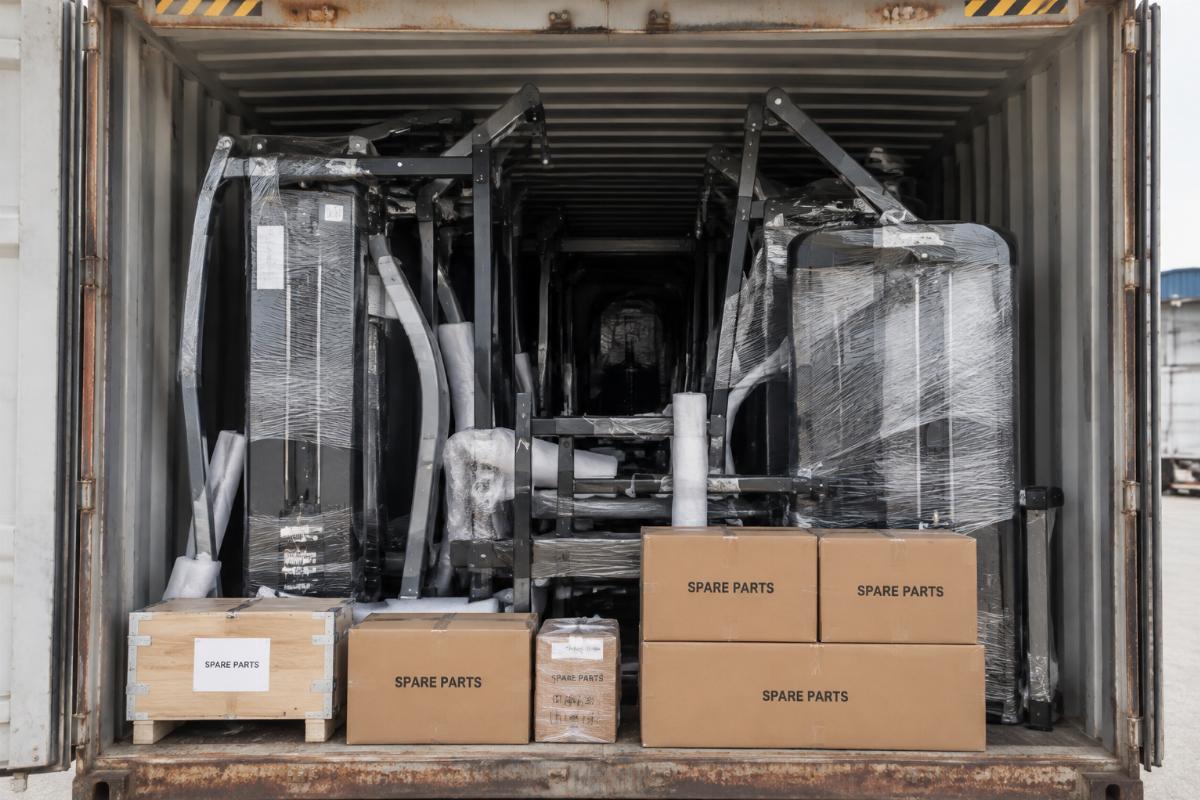
Spare parts strategy separates reactive suppliers from proactive partners. Bick includes spare parts packages with container shipments—replacement cables, pulleys, upholstery patches, adjustment pins, and common wear components. This approach acknowledges that commercial equipment operates in demanding environments where maintenance parts consumption is predictable. Having spares on-site eliminates downtime waiting for international shipments.
Impulse’s spare parts model typically operates through their distribution network. Parts availability depends on regional dealer inventory and ordering processes. For markets with established Impulse dealer presence, this works effectively. For regions without strong dealer infrastructure, parts procurement extends lead times considerably.
Technical support response patterns differ structurally. Bick provides direct factory technical communication—video call troubleshooting, assembly guidance, and modification instructions. The technical team understands manufacturing details because they work within the production facility. Impulse technical support flows through regional channels, which adds communication layers but provides localized language and time zone alignment where dealer networks exist.
Replacement part logistics create substantial cost variation. Air-shipping a single component internationally costs multiples of the part’s manufacturing value. When a critical component fails and no spare exists on-site, operators face a choice: accept extended downtime or absorb expedited shipping costs. Bick’s spare parts inclusion directly addresses this scenario.
A hotel fitness center operator in West Africa experienced guide rod failure on multiple selectorized machines within months of installation. The Bick-purchased units had replacement guide rods included in the original spare parts package—installation completed within days. Competitor equipment without spare parts inventory required weeks of coordination and expensive air freight before machines returned to service.
Which Manufacturer Better Serves Your OEM and ODM Requirements?
OEM flexibility hinges on MOQ thresholds, sample development speed, and branding support depth—areas where factory-direct manufacturers typically outperform established brands.
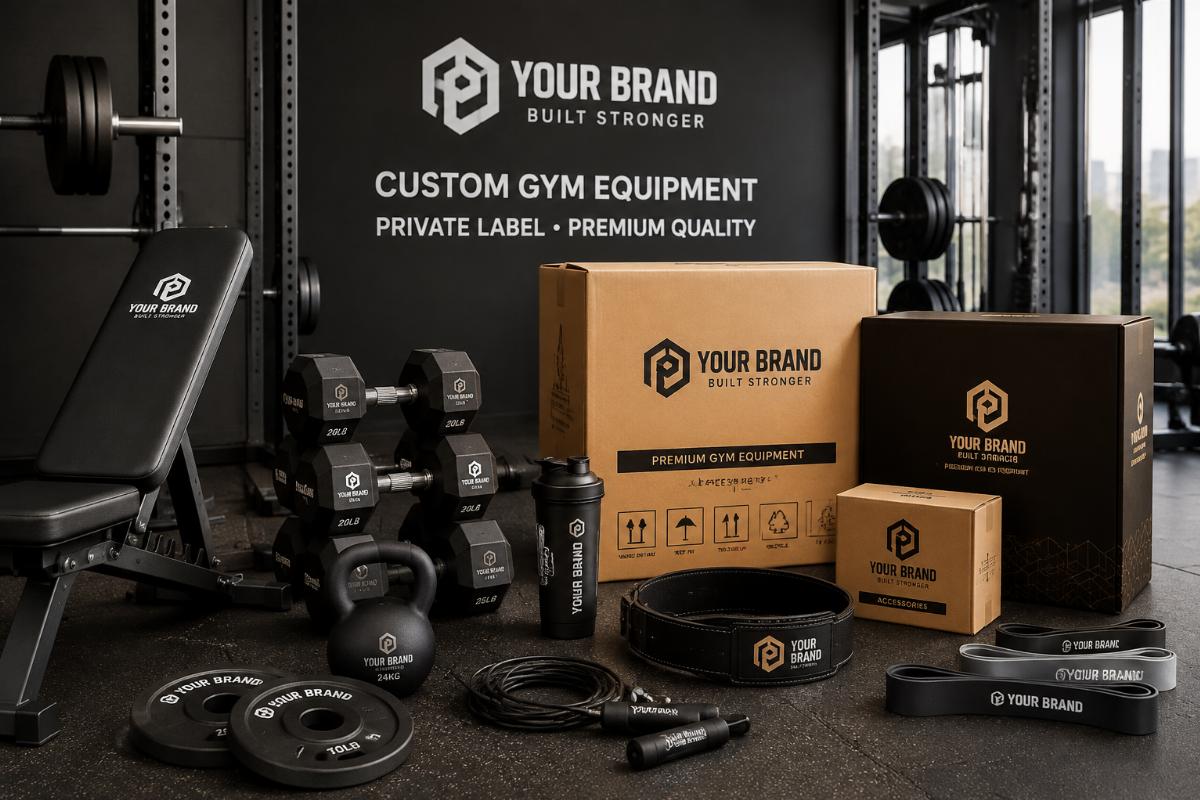
Private label requirements vary dramatically by market. Some distributors need complete rebranding with custom logos, color schemes, and packaging. Others require specification modifications—different weight increments, upholstery materials, or dimensional adjustments for local preferences. The ability to accommodate these requests without prohibitive minimum orders determines supplier suitability.
Bick’s OEM model accommodates single-unit customization trials. A distributor testing a new market can order one branded unit for evaluation before committing to container volumes. Sample development cycles run through direct engineering communication, with modifications implemented based on feedback. This iterative approach reduces market entry risk.
Branding support extends beyond logo application. Custom packaging design, user manual localization, warranty documentation, and marketing material creation all factor into successful private label programs. Bick provides comprehensive branding packages as standard service components.
Impulse’s OEM capabilities exist but operate within brand protection frameworks. Customization options remain more limited, and MOQ requirements reflect their brand positioning strategy. For buyers seeking established brand association rather than private label development, this aligns well. For buyers building their own brand identity, the constraints create friction.
Sample approval processes reveal operational differences. Bick provides detailed technical drawings and specification confirmations before sample production. Buyers verify dimensions, materials, and finish requirements against documented standards. Impulse sample approval relies more on catalog specifications with less granular pre-production documentation exchange.
A fitness equipment distributor in Latin America developed their private label brand through iterative sampling with Bick. Initial samples revealed upholstery color variations under local lighting conditions. Revised samples addressed the issue. The process took weeks but resulted in a product line perfectly calibrated to market preferences. Attempting similar customization through brand-channel manufacturers would have required significantly larger commitments and longer timelines.
How Should Different Procurement Scales Guide Your Selection?
Purchase volume, facility type, and business model determine which manufacturer delivers superior value—there is no universal best choice.
Single-unit trial purchases benefit from Bick’s low MOQ structure. Boutique studios, personal training facilities, and home gym retailers testing product quality can evaluate equipment without substantial capital commitment. The factory-direct pricing provides budget efficiency for small-scale procurement.
Boutique fitness studios and CrossFit boxes requiring functional training zones, free weight areas, and specialized equipment find Bick’s package consolidation capability valuable. Combining cardio, strength, and accessories into single container shipments optimizes logistics costs while ensuring equipment compatibility.
Commercial gym chains expanding existing facilities or launching new locations face different calculations. If brand recognition drives member acquisition and retention, Impulse’s established reputation provides marketing value. If operational economics and equipment customization drive competitive advantage, Bick’s flexibility and pricing create advantages.
Hotel and resort developers outfitting fitness centers prioritize reliable equipment with minimal maintenance demands. Both manufacturers serve this segment effectively, but the spare parts strategy difference becomes critical. Remote resort locations cannot tolerate extended equipment downtime. Bick’s spare parts inclusion provides operational security in locations without immediate technical service access.
Distributors building regional dealer networks require different supplier characteristics. Market development phases benefit from Bick’s private label flexibility and competitive pricing. Established distribution operations with brand positioning requirements may find Impulse’s dealer programs more aligned with their business model.
A commercial gym operator in Eastern Europe expanded from a single location to multiple facilities. Initial equipment purchases came through established brands. As the operation scaled, equipment standardization and cost control became priorities. Transitioning to Bick for expansion locations provided consistent specifications across facilities while optimizing capital expenditure. The spare parts standardization simplified maintenance operations across all locations.
Conclusion
Bick and Impulse serve distinct buyer profiles within the Shandong fitness equipment manufacturing landscape. Bick delivers OEM flexibility, factory-direct pricing, and comprehensive spare parts support ideal for distributors, project buyers, and brand builders. Impulse provides established brand recognition and mature distribution infrastructure for buyers prioritizing market positioning. Your procurement scale, customization requirements, and target market dynamics should drive the selection—not assumptions about regional manufacturing uniformity.
