

Buy Seated Row Machine Best Price 2026 | Factory Direct OEM Supplier
The cheapest seated row machine quote you receive will almost certainly cost you more than the most expensive one — if you only look at the unit price.
The real seated row machine price isn’t the number on the proforma invoice. It’s the total cost of ownership: tube gauge, welding integrity, cable system durability, and factory-direct transparency determine whether you’re buying an asset or a liability.
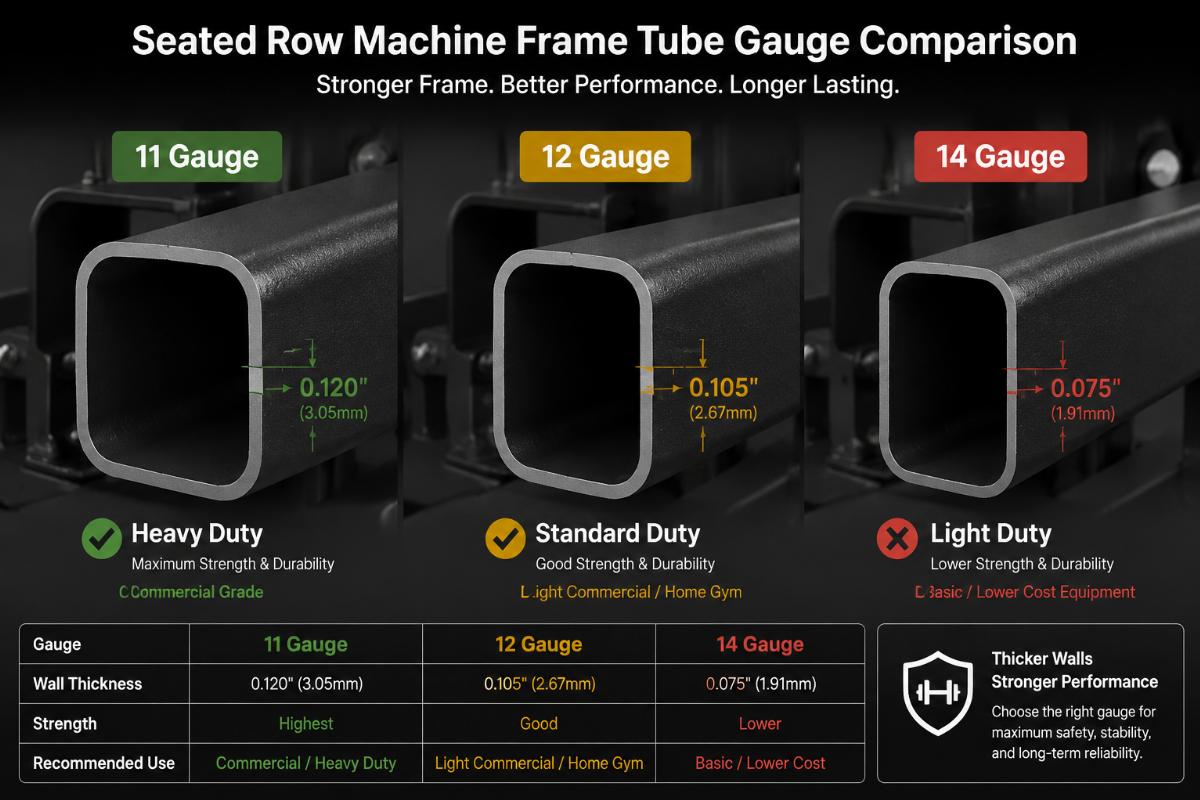
I still remember a buyer from Eastern Europe who flew into our facility with a branded quotation in hand. He wanted the same seat carriage travel distance, the same weight stack increment, the same pulley ratio — but at a fraction of the brand’s asking price. We walked through the spec sheet together, and I showed him how a two-millimeter difference in frame tube wall thickness changes the entire structural equation. He placed a trial order with us, then separately tested a lower-quoted alternative from another source. The cheaper units arrived looking identical on the outside. Within months, weld fractures appeared at the base of the upright columns under repeated commercial loading. Shipping those units back, reworking them, and reshipping cost several times what he originally saved on the purchase price [NEED_CITE: weld failure root cause analysis per ISO 20957-1 stationary training equipment standards]. That experience shaped how I talk about seated row machine pricing with every buyer since.
Let me walk you through what actually drives the cost of these machines, how to read a quotation without getting trapped, and where genuine factory-direct savings come from.
What Determines the Real Cost of a Seated Row Machine?
Three factors dominate the seated row machine price: frame tube specification, welding process quality, and cable-pulley system durability — not the logo stamped on the shroud.
Most buyers open a quotation and scan the bottom line. But the manufacturing cost structure of a commercial seated row machine is layered, and understanding each layer tells you whether a price is sustainable or subsidized by hidden shortcuts.
The frame is the skeleton. Commercial-grade seated row machines use rectangular steel tubing in the main load-bearing structure. The wall thickness of this tubing directly determines how the machine handles repetitive loading from users of varying strength levels. Thicker gauge tubing costs more in raw material, but it resists flex, prevents weld stress concentration, and extends the structural lifespan substantially [NEED_CITE: structural fatigue testing methodology per EN 957-1 stationary training equipment requirements].
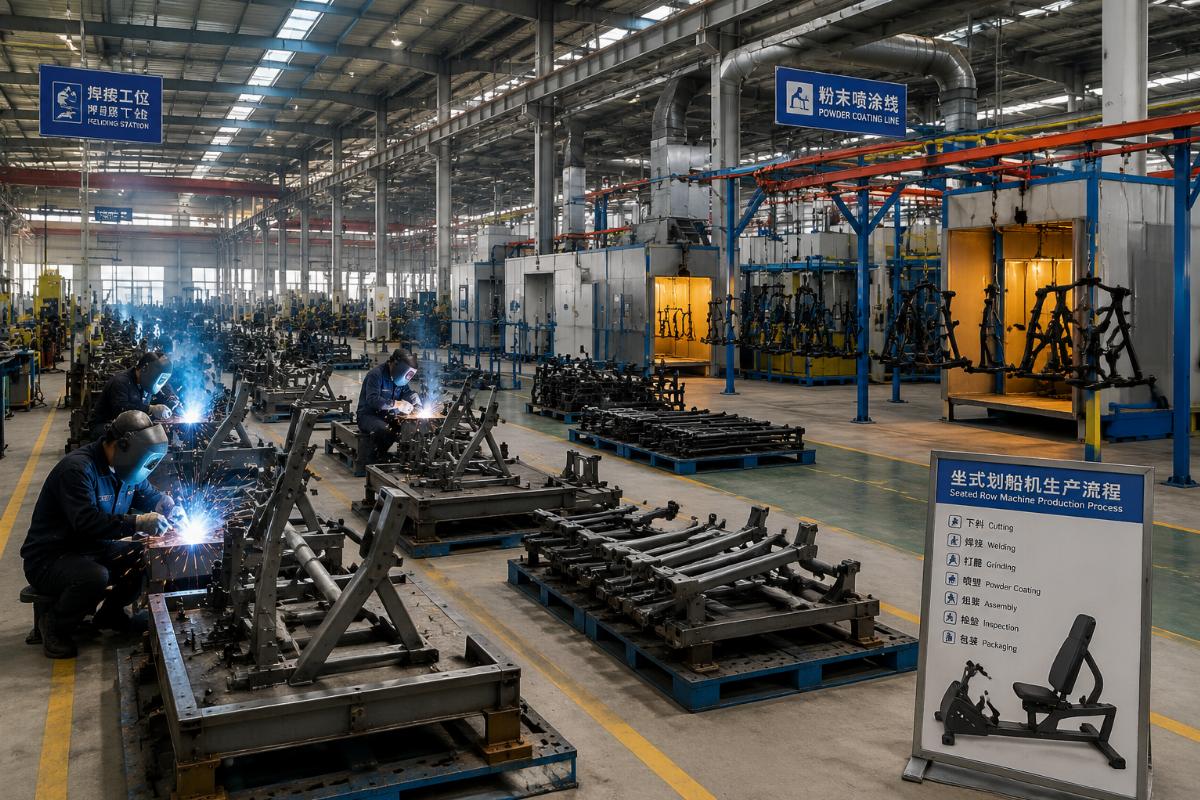
The welding process matters just as much. Continuous MIG welding with proper penetration produces joints that distribute load evenly. Spot welding or insufficiently penetrated seams may look clean after powder coating — but they become failure points under commercial-use cycling. A factory that invests in proper weld fixtures and post-weld stress relief will quote higher, and that premium is real, not inflated.
Then there’s the cable and pulley system — the moving heart of the machine. Aircraft-grade steel cables with proper strand construction, paired with precision-machined pulleys using sealed bearings, determine how smoothly the machine operates and how long it lasts before maintenance calls begin. Cheap cables fray. Cheap pulleys develop play. Both create warranty claims that eat into whatever margin you thought you saved.
| Cost Driver | Light Commercial Spec | Heavy Commercial Spec | Premium Spec |
|---|---|---|---|
| Frame Tube Wall | Basic gauge | Standard commercial grade | Heavy-duty reinforced |
| Welding Process | Standard MIG | Full-penetration MIG | Full-penetration with stress relief |
| Cable System | Basic steel cable | Aircraft-grade strand | Aircraft-grade with sealed pulley bearings |
| Seat Rail | Standard slide | Precision-machined rail | Low-friction guided carriage |
| Upholstery | Standard vinyl | High-density commercial foam | High-density with antimicrobial cover |
| Expected Durability | Moderate-use environments | High-traffic commercial floors | Intensive 24/7 facility use |
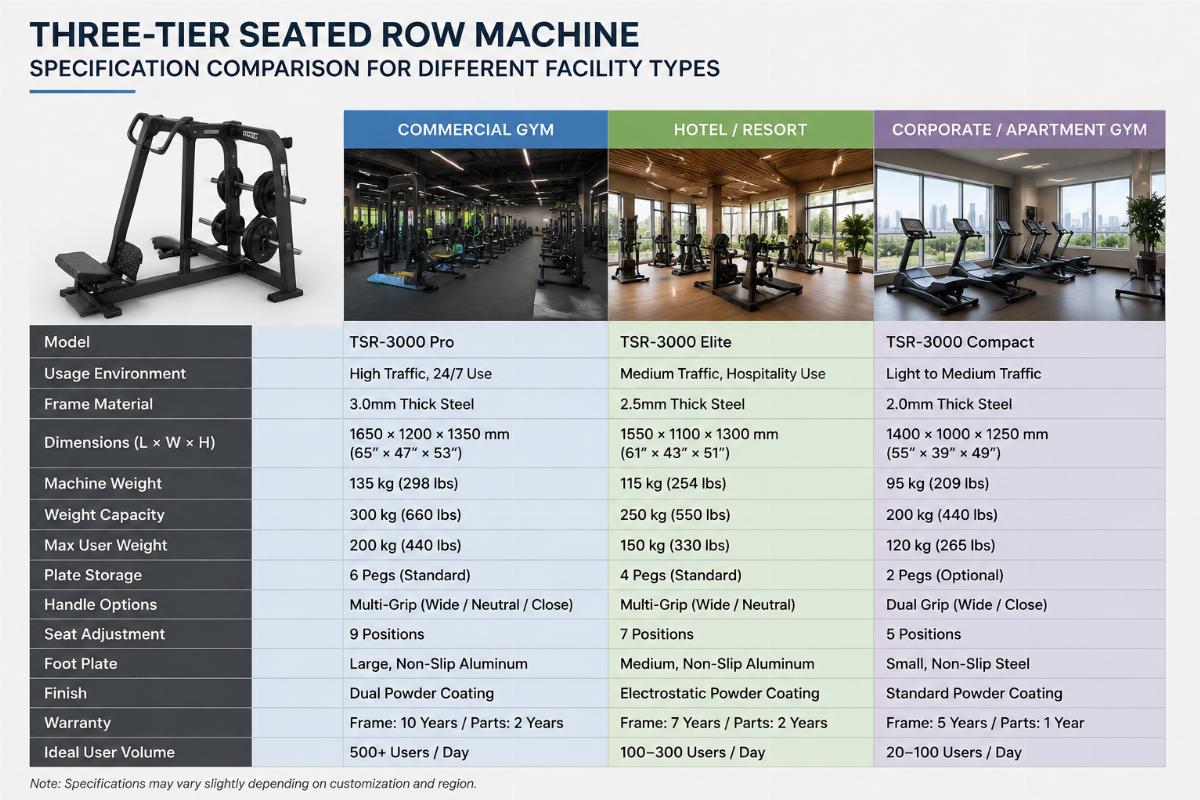
A hotel fitness center running moderate daily traffic has different needs than a commercial gym floor processing hundreds of users per day. Matching spec tier to actual use case is the first step toward getting the right seated row machine price — not just the lowest one.

Seated Row Machine Price Tiers: How to Match Specs to Your Budget?
Three specification tiers serve fundamentally different deployment scenarios, and confusing them is the single most common sourcing mistake buyers make.
When I sit down with a new buyer, the first question I ask is not "what’s your budget" — it’s "who will use this machine, how many times per day, and for how many years." The answers determine which tier makes economic sense.
Light commercial tier targets boutique studios, hotel fitness rooms, and apartment complex gyms where daily user volume stays moderate. The frame tubing is adequate for controlled use, the cable system handles standard repetition cycles, and the upholstery withstands regular but not extreme wear. This tier offers the most accessible seated row machine price point for buyers outfitting smaller facilities.
Heavy commercial tier is where the majority of independent gym owners and fitness chain operators should be looking. The frame uses noticeably thicker tubing, welding follows full-penetration standards, and the cable-pulley assembly is built for continuous daily operation across multiple shifts. The price premium over light commercial is real, but so is the lifespan extension — these machines run substantially longer before any structural or mechanical intervention is needed [NEED_CITE: commercial fitness equipment durability classification per ASTM F2216 standards].
Premium tier adds reinforced frame geometry, guided seat carriages with low-friction rail systems, and premium cable assemblies designed for intensive round-the-clock facility use. This tier serves high-volume commercial gyms, military fitness centers, and institutional training facilities where equipment downtime is not an option.
A buyer I worked with from the Middle East initially requested the light commercial tier for a gym chain project. After walking through the expected daily user volume — several hundred repetitions per machine per day across multiple shifts — we shifted the specification to heavy commercial. The per-unit seated row machine price increased, but the projected replacement cycle extended by a factor that made the total cost of ownership significantly lower. He later told me that the initial "cheaper" option would have forced him into a replacement conversation within a few short years.
| Deployment Scenario | Recommended Tier | Key Spec Priority |
|---|---|---|
| Hotel / Apartment Gym | Light Commercial | Compact footprint, adequate durability |
| Independent Commercial Gym | Heavy Commercial | Frame strength, cable longevity |
| High-Volume Chain / Institutional | Premium | Maximum structural reinforcement, guided carriage |
| Boutique Studio (moderate use) | Light to Heavy Commercial | Balance of cost and daily-use resilience |
Factory-Direct vs. Brand Markup: Where Does the Savings Come From?
A certified factory producing the same specification seated row machine as a major brand will typically quote a price noticeably lower than the branded equivalent — and the gap has nothing to do with quality compromise.
This is the point where most buyers become skeptical, and rightfully so. The fitness equipment market is flooded with claims of "factory-direct" pricing that turn out to be trading companies adding their own margin on top of a subcontractor’s output. Genuine factory-direct sourcing requires verification: visit the production floor, confirm the welding fixtures are in-house, check that the powder coating line belongs to the same facility, and validate that quality control happens under one roof [NEED_CITE: fitness equipment manufacturing supply chain transparency guidelines].
When you source directly from a manufacturer with proper certifications — CE marking for European market access, relevant ASTM compliance documentation for North American procurement — the price difference versus branded machines becomes clear. The branded machine carries distribution markups, marketing cost allocation, dealer network margin layers, and corporate overhead. None of these add a single gram of steel or a single hour of weld time to the machine.
I had a distributor from Southeast Asia who was purchasing a well-known brand’s seated row machine for his regional market. The landed cost after all intermediary margins was substantial. When he requested a quotation from our production line with the same tube dimensions, the same pulley configuration, and the same seat rail specification — plus his own branding through our OEM program — the per-unit seated row machine price dropped by a significant margin. He ran both machines through identical durability testing protocols at his facility. The performance was comparable. The cost structure was not.
The savings come from eliminating layers, not from cutting corners on the product itself. A factory that maintains certified welding procedures, uses proper gauge tubing, and installs quality cable assemblies simply does not need to charge brand-level prices. The overhead structure is fundamentally different.
How to Avoid the "Cheap Quote Trap" When Buying in Bulk?
The lowest seated row machine price on your comparison spreadsheet is often the most expensive machine you will ever buy — if you do not verify what is hidden beneath the powder coating.
Bulk buyers face a specific temptation: when the order volume is large, even a small per-unit price reduction looks like massive total savings. Unscrupulous manufacturers know this, and they structure their quotations to exploit it.
Here is what to verify before you commit to a bulk order:
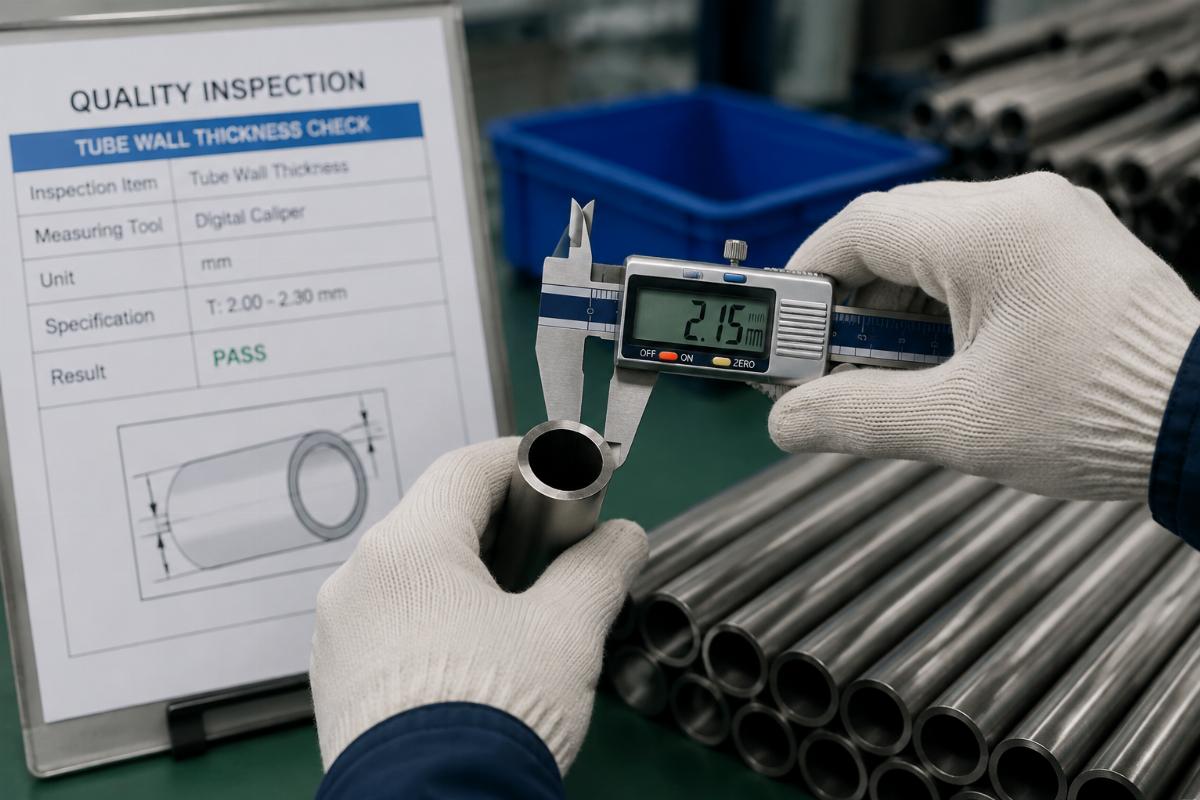
Request tube wall thickness documentation. Do not accept "heavy-duty frame" as a specification. Ask for the exact tubing dimensions — outer profile and wall thickness — for every load-bearing member. Compare these across quotations. A manufacturer quoting noticeably less may be using thinner-wall tubing that saves material cost but compromises structural integrity under commercial cycling [NEED_CITE: steel tubing wall thickness tolerances per structural steel standards].
Demand weld inspection access. Ask whether the factory performs destructive testing on sample welds from each production batch. A manufacturer confident in weld quality will allow this. One who deflects or offers only visual inspection photos is signaling something.
Evaluate the cable specification. Aircraft-grade cable construction with proper strand count costs more than basic twisted wire cable. The difference in fatigue life is substantial. Ask for the cable construction detail and compare it across your quotations.
Test the seat carriage mechanism. Pull the handle and feel the carriage travel. Smooth, consistent resistance throughout the full range of motion indicates precision-machined rails. Jerky movement, binding, or audible friction points indicate cost-cutting on the guidance system.
A gym chain buyer from Latin America shared a cautionary example with me. He accepted the lowest seated row machine price from a supplier he found through an online platform. The machines looked correct in product photos. Upon arrival, the frame tubing was visibly thinner than what he had been sampling from other sources. Within a short operational period, multiple units developed frame flex at the pivot mounting points. The warranty claim process with the overseas supplier was slow, the replacement parts did not arrive in a useful timeframe, and his end-users lost confidence in his facility’s equipment quality. The total cost of that "savings" — including reputational damage and emergency replacement sourcing — dwarfed the original price difference.
| Verification Point | What to Request | Red Flag Response |
|---|---|---|
| Frame Tubing | Exact outer dimensions and wall thickness | Vague terms like "heavy-duty" without numbers |
| Weld Quality | Destructive test reports per batch | Visual photos only, no test data |
| Cable System | Strand construction specification | Unspecified or "standard cable" |
| Seat Rail | Machining tolerance and guide type | No specification provided |
| Certification | CE or ASTM documentation with scope | Expired certificates or unrelated scope |
What’s Included in a Complete Seated Row Machine Order?
The quoted seated row machine price is only the starting point — warranty coverage, spare parts availability, OEM customization, and container consolidation capability determine the real value of your procurement relationship.
When you evaluate quotations, look beyond the per-unit number. A manufacturer who offers comprehensive post-sale support is building a relationship, not just closing a transaction.
Warranty structure matters. A factory confident in its manufacturing will stand behind its products with clear warranty terms covering frame structural integrity, cable system function, and bearing/seal performance. Ask what is covered, for how long, and how claims are processed. The absence of a clear warranty policy is itself a data point about the manufacturer’s confidence level.
Spare parts availability separates serious manufacturers from transactional suppliers. Cables wear. Bearings eventually need replacement. Upholstery tears under heavy use. A factory that maintains spare parts inventory and can ship replacements quickly keeps your machines running and your users satisfied. A factory that disappears after the container leaves the port creates operational headaches that no initial price savings can justify.
OEM and branding flexibility adds strategic value. If you are a distributor building your own brand in your regional market, or a gym chain wanting consistent visual identity across your equipment fleet, the ability to customize color schemes, add your logo to shrouds and upholstery, and specify packaging branding transforms a commodity purchase into a brand-building exercise. This capability requires a manufacturer with in-house design, tooling, and finishing resources — not a trading company passing your order to the lowest-bid subcontractor.
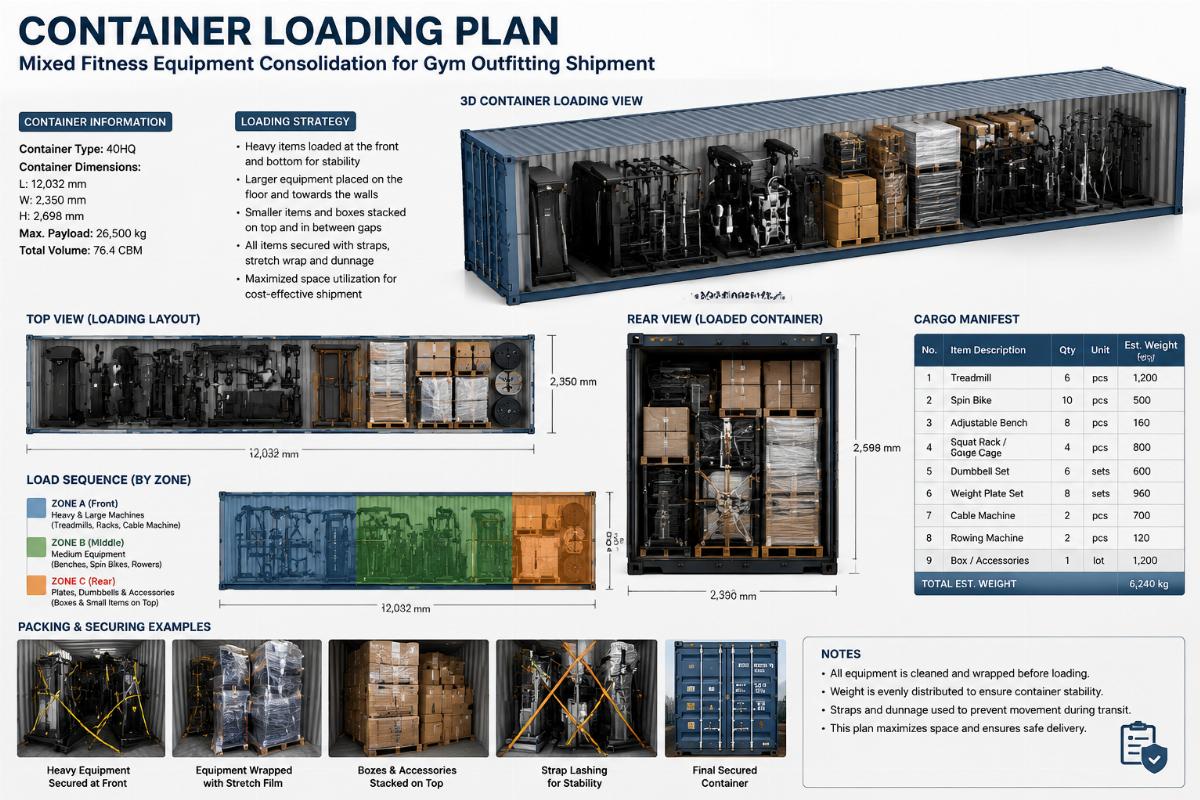
Container consolidation is a practical cost lever. Few buyers need only seated row machines. A full gym outfitting requires cardio equipment, plate-loaded machines, cable crossovers, free weight stations, and flooring. A manufacturer offering a broad product range can consolidate multiple equipment types into a single container shipment, spreading the ocean freight cost across a larger equipment package and reducing the per-unit landed cost meaningfully [NEED_CITE: international fitness equipment shipping consolidation best practices for commercial gym procurement].
This is where flexible minimum order quantities become valuable. A buyer testing a new market may not need a full container of a single SKU. A manufacturer willing to mix product types within one container at reasonable quantities enables market testing without overcommitting capital.
Conclusion
The best seated row machine price is the one that delivers commercial-grade durability at factory-direct cost — not the lowest number on a spreadsheet.
Frame tube specification, welding integrity, and cable system quality determine whether your investment performs for years or fails within months. Factory-direct sourcing from certified manufacturers eliminates brand markup without sacrificing build quality. And verifying specifications before committing to bulk orders protects you from the hidden costs of corner-cutting. Match your spec tier to your actual usage scenario, demand transparency on materials and processes, and evaluate the full value package — warranty, parts, branding, and logistics — before you sign the purchase order.
