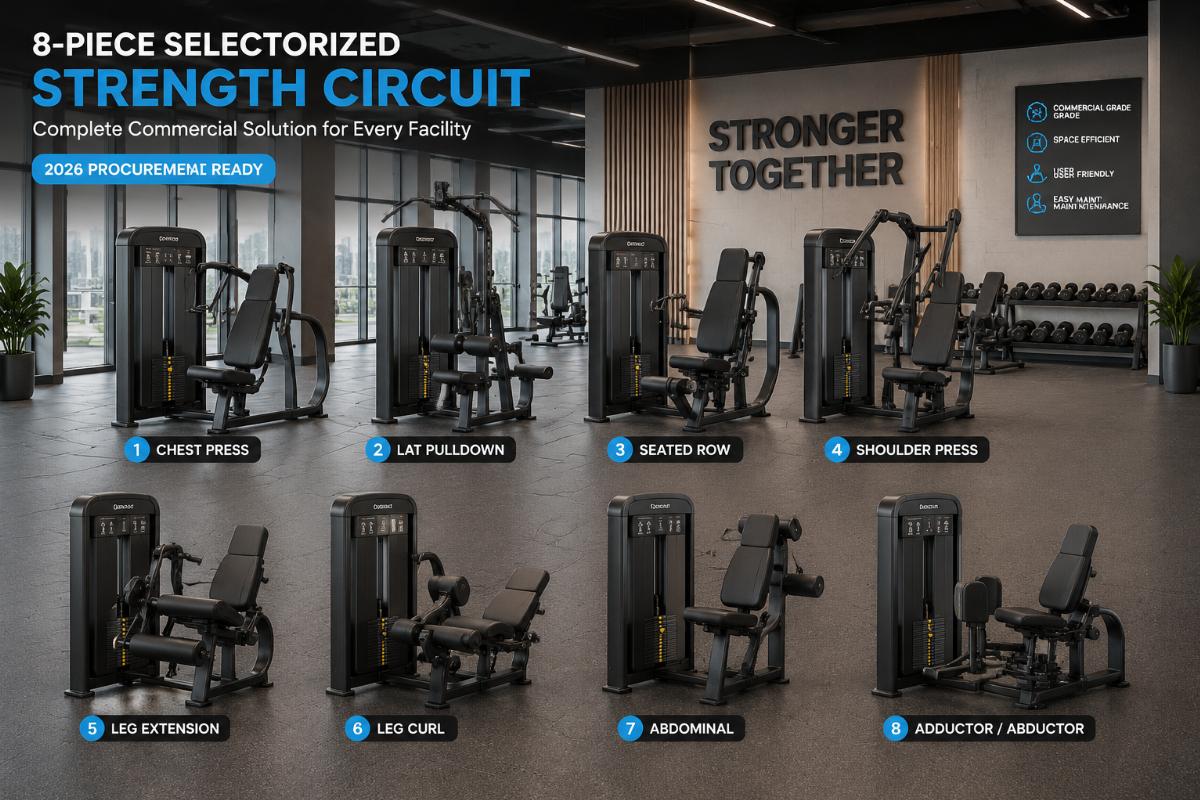
Commercial Gym Equipment for Nigeria Market: Wholesale Supplier Guide
Most buyers fixate on FOB price, only to discover the real cost hiding at Apapa Port.
Selecting commercial gym equipment for Nigeria requires balancing three dimensions simultaneously: tropical-grade durability, SONCAP certification compliance, and landed-cost transparency. Skipping any one of these turns a seemingly cheap shipment into an expensive lesson at the Lagos wharf.
I still remember a full-container strength machine order I handled early in my career. The FOB numbers looked clean, the client was thrilled, and the container rolled onto the vessel without a hitch. Then it sat at Apapa for weeks. The reason? A missing SONCAP Product Certificate. The demurrage bill alone ran into several thousand dollars—money that could have covered the entire certification process several times over. That single shipment reshaped how I approach every Nigeria-bound order. Now, before I quote a single machine, I walk the client through port clearance requirements, packaging reinforcement specs, and the hidden fees that never appear on a proforma invoice. [NEED_CITE: SONCAP mandatory pre-shipment verification requirements per Nigerian Standards Organisation]
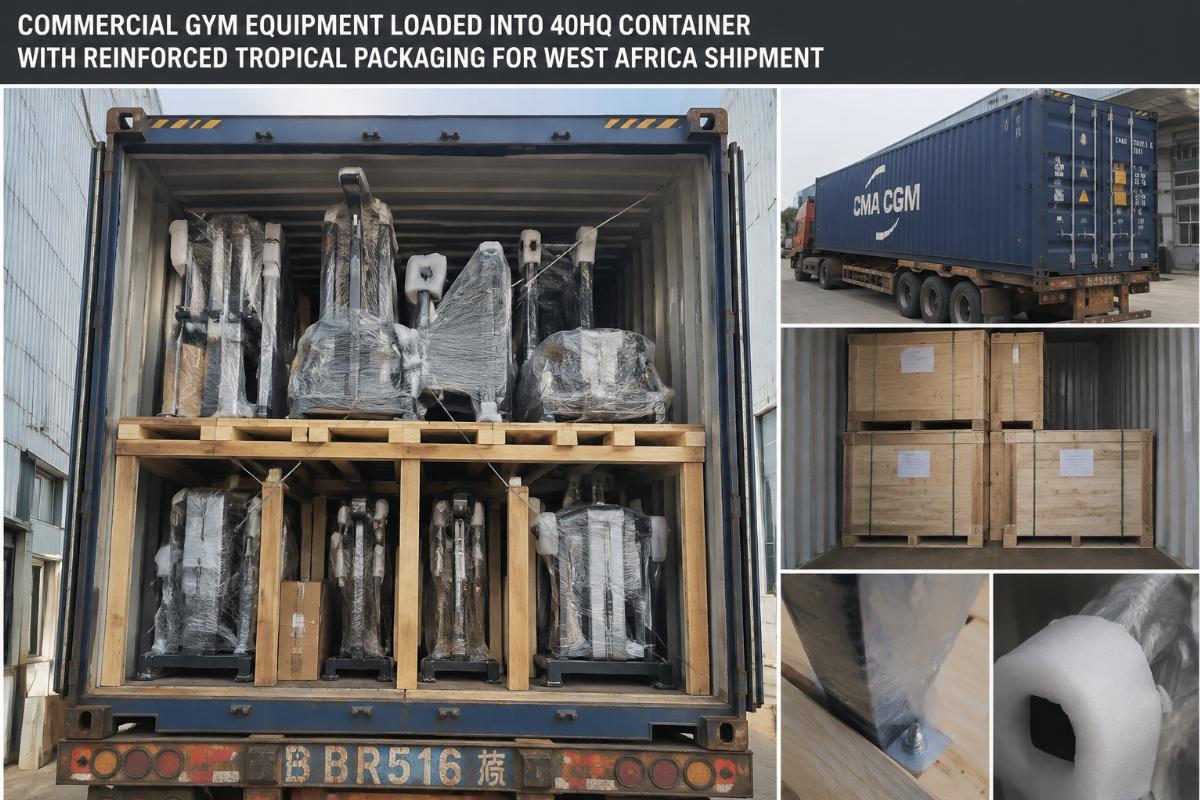
Getting the certification and logistics right is only the beginning. The machines themselves must survive conditions that would sideline standard gym gear in temperate climates.
What certifications are mandatory for importing gym equipment to Nigeria?
SONCAP and pre-shipment inspection are non-negotiable gatekeepers; without them, your container will not clear customs at Apapa or Tincan.
The Nigerian Standards Organisation requires every regulated product—including fitness and gym machinery—to carry a SONCAP certificate before it can be cleared at the port. The process involves two distinct documents that buyers often confuse. A Programme Certificate covers the product category and is issued to the manufacturer after a factory audit and type testing. A Product Certificate, on the other hand, is shipment-specific and must be obtained for each individual consignment based on the Programme Certificate. [NEED_CITE: SONCAP two-tier certificate structure and shipment-level requirement per SON official guidelines]
Here is where most first-time importers stumble. They assume the manufacturer’s Programme Certificate is enough to clear goods. It is not. Every container needs its own Product Certificate tied to the commercial invoice and packing list of that specific shipment. Skipping this step means the goods arrive at the terminal, customs flags them, and the clock starts ticking on demurrage charges that compound daily.
A West African fitness chain operator once shared that their first import of plate-loaded machines got held at the port because the supplier only provided a Programme Certificate. The补办 process at the destination took weeks and cost multiples of what pre-shipment certification would have required. The lesson was expensive but permanent.
Beyond SONCAP, commercial gym equipment should also carry CE marking or equivalent international safety certification. While CE is not a Nigerian legal requirement, it serves as a trust signal during customs inspection and demonstrates that the equipment meets recognized safety benchmarks. [NEED_CITE: CE marking acceptance as supplementary compliance evidence in West African import clearance]
| Certification Layer | Coverage Scope | Shipment-Level Requirement | Verification Status |
|---|---|---|---|
| SONCAP Programme Certificate | Product category, factory audit | Not sufficient alone | Verifiable via SON portal |
| SONCAP Product Certificate | Individual shipment | Mandatory per container | Must match invoice and packing list |
| CE Marking | Safety compliance | Supplementary | Self-reported or third-party tested |
| Pre-Shipment Inspection | Physical condition and packing | Recommended | Conducted at origin port |

Securing certifications protects your shipment at the border. Protecting the machines themselves requires a different set of specifications.
Which commercial gym equipment specs suit Nigeria’s climate and usage intensity?
High temperature, high humidity, and heavy daily usage demand upgraded motor protection, thicker anti-corrosion treatment, and reinforced wear surfaces across all equipment categories.
Lagos sits in a tropical monsoon climate where ambient temperatures regularly exceed thirty degrees Celsius and relative humidity stays elevated year-round. Gym environments add another layer of stress: sweat, chalk dust, and continuous multi-user operation. Equipment designed for temperate climates will degrade noticeably faster under these conditions unless specific modifications are made.
For cardio machines, particularly commercial treadmills, the motor is the most vulnerable component. Standard open-frame motors in humid environments accumulate moisture internally, leading to insulation breakdown and premature failure. The solution is specifying motors with enhanced ingress protection ratings and sealed bearing systems. [NEED_CITE: IP rating requirements for electric motors in tropical humid gym environments]
The running belt is another critical wear point. In high-traffic commercial settings, a thin belt will glaze over and crack within months. Specifying a thicker, multi-ply running belt with proper cushioning underneath extends service life substantially and reduces maintenance call-outs.
For strength equipment, the frame steel thickness and surface treatment determine longevity. Standard powder coating in humid conditions can chip and allow rust to spread underneath. A heavier gauge steel frame combined with a multi-stage surface preparation process—phosphating followed by a double-layer powder coat—provides noticeably better corrosion resistance. [NEED_CITE: Anti-corrosion surface treatment standards for steel gym frames in coastal tropical environments]
| Specification Area | Standard Commercial Grade | Tropical-Grade Upgrade | Impact on Service Life |
|---|---|---|---|
| Treadmill Motor Enclosure | Basic ventilation | Enhanced sealed protection | Substantially extended |
| Running Belt Thickness | Single-ply standard | Multi-ply reinforced | Noticeably reduced replacement frequency |
| Frame Steel Gauge | Light-duty profile | Heavy-duty commercial profile | Significantly improved structural rigidity |
| Surface Treatment | Single-layer powder coat | Phosphating plus double-layer coat | Robust corrosion resistance |
| Cable and Pulley System | Standard nylon wheels | Sealed bearing pulleys | Reduced friction and wear |
A hotel fitness center developer in Lekki specified tropical-grade treadmills for their property and reported that the units maintained smooth operation through multiple peak seasons, while cheaper alternatives at comparable properties required motor replacements within the first year.

Getting the specs right ensures the machines survive. Choosing the right partner ensures you get what you ordered.
How to compare gym equipment suppliers for the Nigerian market?
The right commercial gym equipment supplier must demonstrate verifiable certification capability, proven container consolidation experience, reliable spare parts supply, and documented tropical deployment track record.
The Nigerian market is flooded with quotations from suppliers who look identical on paper but deliver vastly different outcomes. Price is the easiest dimension to compare and the least meaningful one in isolation. The real differentiators lie in operational capabilities that only surface when problems arise.
Certification support is the first filter. A credible commercial gym equipment supplier should not only hold their own SONCAP Programme Certificate but also have a documented process for issuing Product Certificates for each shipment. Ask for evidence: sample certificates from previous Nigeria shipments, not just generic compliance claims. [NEED_CITE: SONCAP Programme Certificate holder verification process]
Container consolidation capability matters more than most buyers realize. A full container of a single product type is straightforward. A mixed container combining cardio machines, strength stations, free weights, and flooring requires careful load planning to maximize space while preventing damage during transit. Suppliers with dedicated loading teams and photographic documentation of past container loads demonstrate this capability concretely.
Spare parts availability is the silent differentiator. Every gym owner knows that a machine down for weeks waiting for a replacement part costs far more than the part itself. A supplier who stocks common wear components—running belts, deck boards, pulley cables, seat pads—and can ship them on short notice provides genuine after-sales value.
| Evaluation Dimension | Basic Supplier | Experienced Commercial Gym Equipment Supplier |
|---|---|---|
| SONCAP Certification | Generic claims only | Verifiable Programme and Product Certificates |
| Container Loading | Manual, undocumented | Planned consolidation with photo records |
| Spare Parts | Order-by-order, long lead times | Stocked common components, rapid dispatch |
| Tropical Deployment | No documented cases | Multiple West African installations |
| OEM Flexibility | Fixed catalog only | Custom branding and spec adjustment |
A fitness equipment distributor in Lagos evaluated several suppliers before selecting a partner who could provide mixed-container shipments with full SONCAP documentation and branded packaging. The ability to consolidate an entire gym setup into coordinated shipments—rather than managing multiple partial containers from different sources—reduced their landed cost and simplified customs clearance considerably.

Certifications, specs, and supplier selection set the stage. The final piece is understanding what the invoice price does not include.
What hidden costs should Nigerian buyers budget for beyond FOB price?
Demurrage charges, inland haulage, customs agency fees, and emergency certification补办 are the four hidden cost categories that routinely inflate the actual landed price well beyond the initial quotation.
The FOB price on a proforma invoice tells only part of the story. The gap between FOB and the machine sitting on your gym floor in Lagos can be substantial, and most of that gap comes from costs that first-time importers simply do not anticipate.
Demurrage is the most painful category. When a container sits at the port terminal beyond the free days allowed, daily charges accrue. These charges are not trivial—they compound, and if certification issues delay clearance, the total can reach multiples of the original shipping cost. The root cause is almost always documentation problems that could have been resolved before the vessel departed. [NEED_CITE: Apapa Port demurrage rate structure and free-day allowance]
Inland transportation from the port to the final destination is another line item that catches buyers off guard. Haulage from Apapa or Tincan to locations within Lagos or to other cities requires specialized heavy-duty trucks, particularly for full containers of gym equipment where weight distribution matters. Fuel price fluctuations and road condition variables make this cost unpredictable without local partnerships.
Customs agency fees vary depending on the complexity of the shipment and the classification of goods. A mixed container with multiple equipment types may require more detailed declarations than a single-product shipment, adding to the agency cost.
Emergency certification补办 at the destination is the most expensive scenario of all. If SONCAP documentation is incomplete or missing, the importer must engage local agents to process retroactive certification at the port. This process is slow, expensive, and entirely avoidable with proper pre-shipment planning.
| Hidden Cost Category | Typical Trigger | Cost Impact Level | Avoidability |
|---|---|---|---|
| Port Demurrage | Missing or incorrect SONCAP documents | Substantial, compounding daily | Fully avoidable with pre-shipment certification |
| Inland Haulage | Heavy container weight, fuel price shifts | Moderate, variable | Partially manageable with local logistics partners |
| Customs Agency Fees | Mixed-container complexity | Moderate | Predictable with experienced clearing agent |
| Emergency Certification补办 | Missing Product Certificate at arrival | Severe, multiplies original certification cost | Fully avoidable with proper documentation |
A commercial gym owner in Abuja budgeted carefully for equipment purchase and ocean freight but was unprepared for the demurrage charges when a documentation error delayed their container clearance. The additional cost represented a significant percentage of the total equipment investment—money that would have been entirely unnecessary with proper pre-shipment verification.
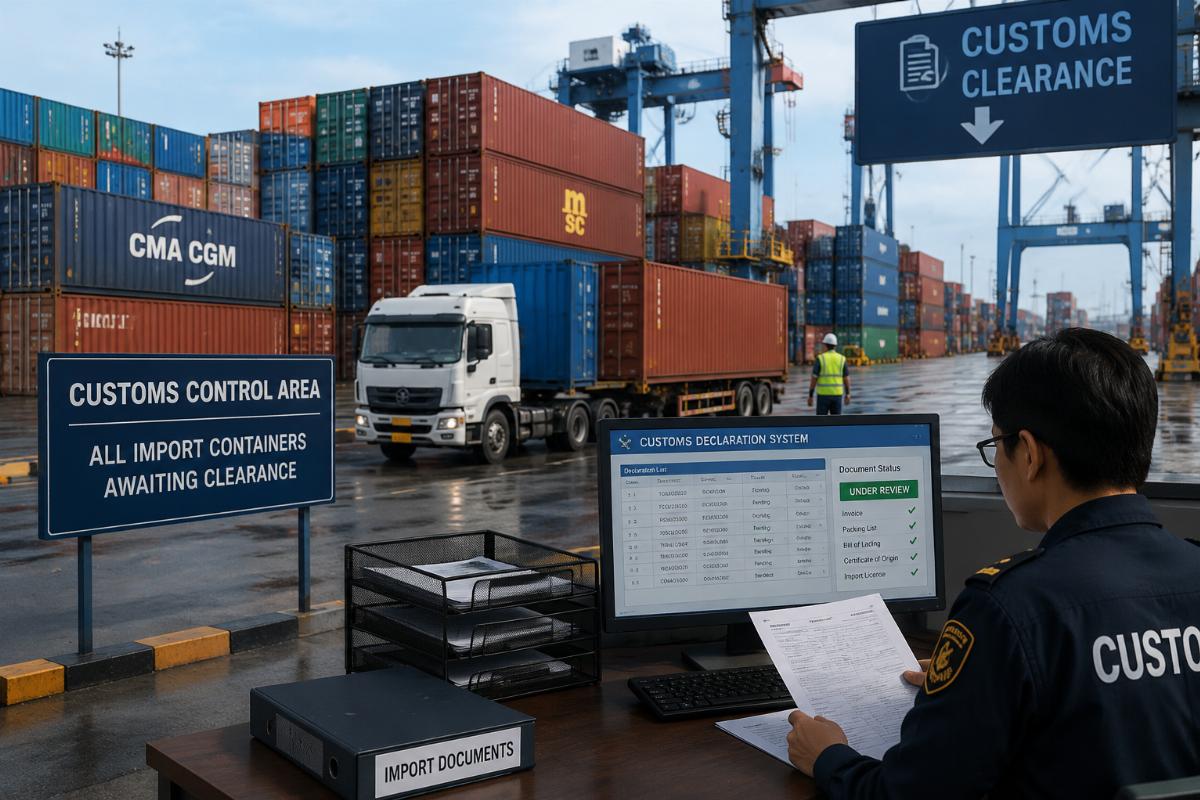
Understanding hidden costs leads naturally to structuring the entire order process to minimize them.
How to structure a turnkey gym equipment order from China to Lagos?
A coordinated approach covering product selection, certification preparation, container loading, and pre-arrival documentation eliminates surprises and delivers the lowest total landed cost.
The most successful Nigeria gym equipment imports are not assembled piece by piece from different sources. They are planned as integrated projects where product selection, compliance preparation, and logistics coordination happen in parallel under a single point of accountability.
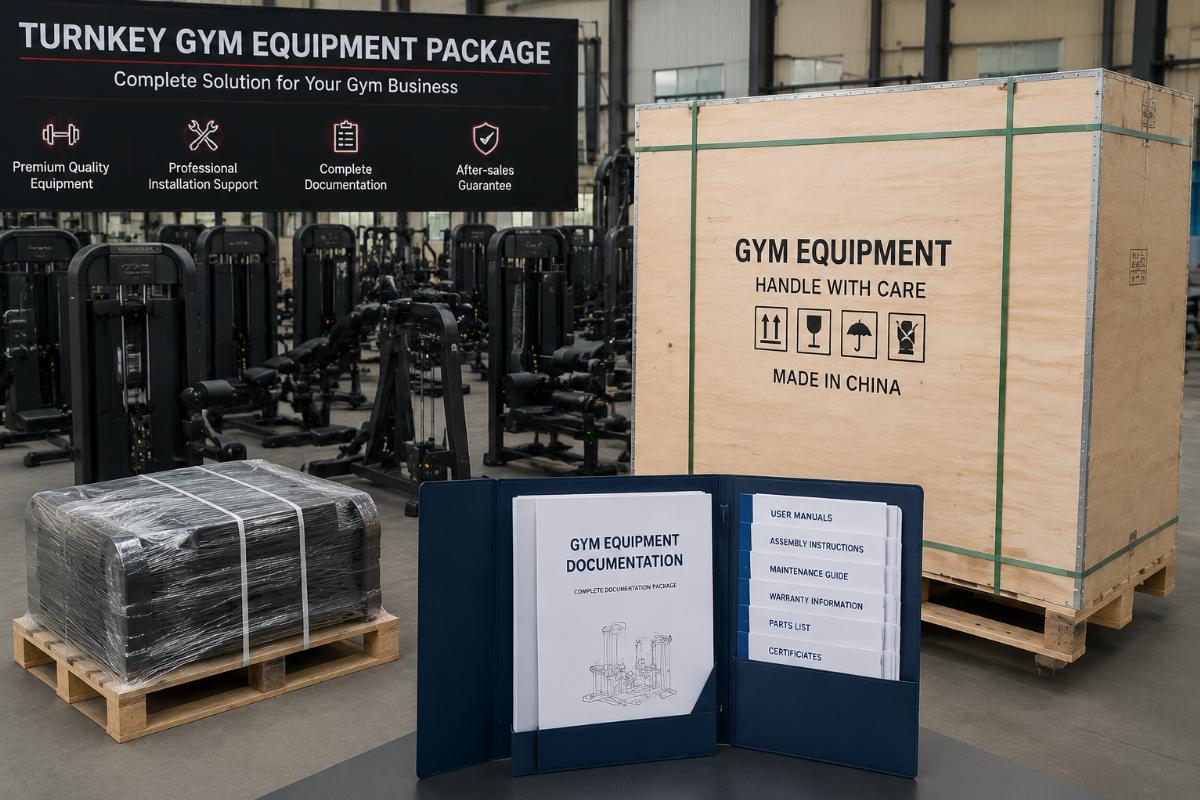
The process begins with a complete equipment list matched to the gym’s floor plan and target membership capacity. This is not just about picking machines—it is about specifying the right models in the right quantities with tropical-grade modifications where needed. A turnkey commercial gym equipment supplier handles this planning phase by providing layout recommendations, equipment specifications, and a consolidated quotation that covers the entire setup.
Once the product list is finalized, certification preparation runs alongside production. The supplier’s SONCAP Programme Certificate covers the product range, and Product Certificates are prepared for the specific shipment before the container is sealed. Pre-shipment inspection is conducted at the factory or loading port to verify quantity, condition, and packaging integrity. [NEED_CITE: Pre-shipment inspection protocol for SONCAP compliance verification]
Container loading follows a planned sequence. Heavy strength equipment forms the base layer, cardio machines are secured with proper bracing, and free weights and accessories fill the remaining space. Anti-rust packaging—silica gel desiccants, VCI wrapping for metal surfaces, and moisture barriers—is applied to every unit before loading. This is particularly critical for sea freight to West Africa, where containers pass through varying climate zones and humidity levels.
Documentation preparation happens in parallel with loading. The commercial invoice, packing list, bill of lading, SONCAP Product Certificate, and any supplementary certificates are compiled and sent to the importer’s clearing agent before the vessel arrives. This allows the agent to begin pre-clearance procedures and reduces the time the container spends at the terminal.
| Project Phase | Key Activities | Responsible Party | Deliverable |
|---|---|---|---|
| Planning and Selection | Floor plan, equipment list, spec confirmation | Supplier and buyer | Consolidated quotation and layout |
| Certification Preparation | Product Certificate issuance, pre-shipment inspection | Supplier | SONCAP documentation package |
| Production and Packing | Manufacturing, tropical packaging, anti-rust treatment | Supplier | Production completion report |
| Container Loading | Planned loading sequence, bracing, photo documentation | Supplier loading team | Loading plan and photos |
| Documentation and Shipping | Bill of lading, document dispatch to clearing agent | Supplier and freight forwarder | Complete document set pre-arrival |
A fitness chain operator in Port Harcourt used this integrated approach for their second location. By consolidating the entire equipment package with a single supplier who managed certification, loading, and documentation, they avoided the documentation delays that had plagued their first import and had the gym operational on schedule.
Conclusion
Importing commercial gym equipment to Nigeria is a compliance and logistics challenge as much as a purchasing decision. SONCAP certification, tropical-grade specifications, supplier capability verification, hidden cost budgeting, and integrated order management form the five pillars that separate a smooth delivery from an expensive ordeal at the port. Plan the entire chain before the first machine rolls off the production line, and the total landed cost will reflect your planning—not your surprises.